Our balcony in Cape Town faces due west, and in the summer months, from early to late afternoon, it is just too hot and much too bright to sit out there. But once the sun nears setting, it is almost idyllic to sit and watch the buildings, the trees and Signal Hill slowly transform from detail to silhouette. And then, one by one, the stars appear.
But last night was different. Suddenly, in late afternoon, a huge deep sea drilling rig appeared just off-shore. It was the Deepsea Stavanger, a Norwegian rig.
The Deepsea Stavanger was built in 2010. It has a tonnage of 43,708, with an area of 119 m by 97 m, and a draught of 17 m. Recently it has been drilling at a depth of more than 1400 m off Mossel Bay, about halfway between Cape Town and Port Elizabeth.
In 2014 a similar drilling attempt had to be abandoned; the rig that had been contracted was not capable of withstanding the severe storms and strong currents, conditions in which the Deepsea Stravanger is built to excel.
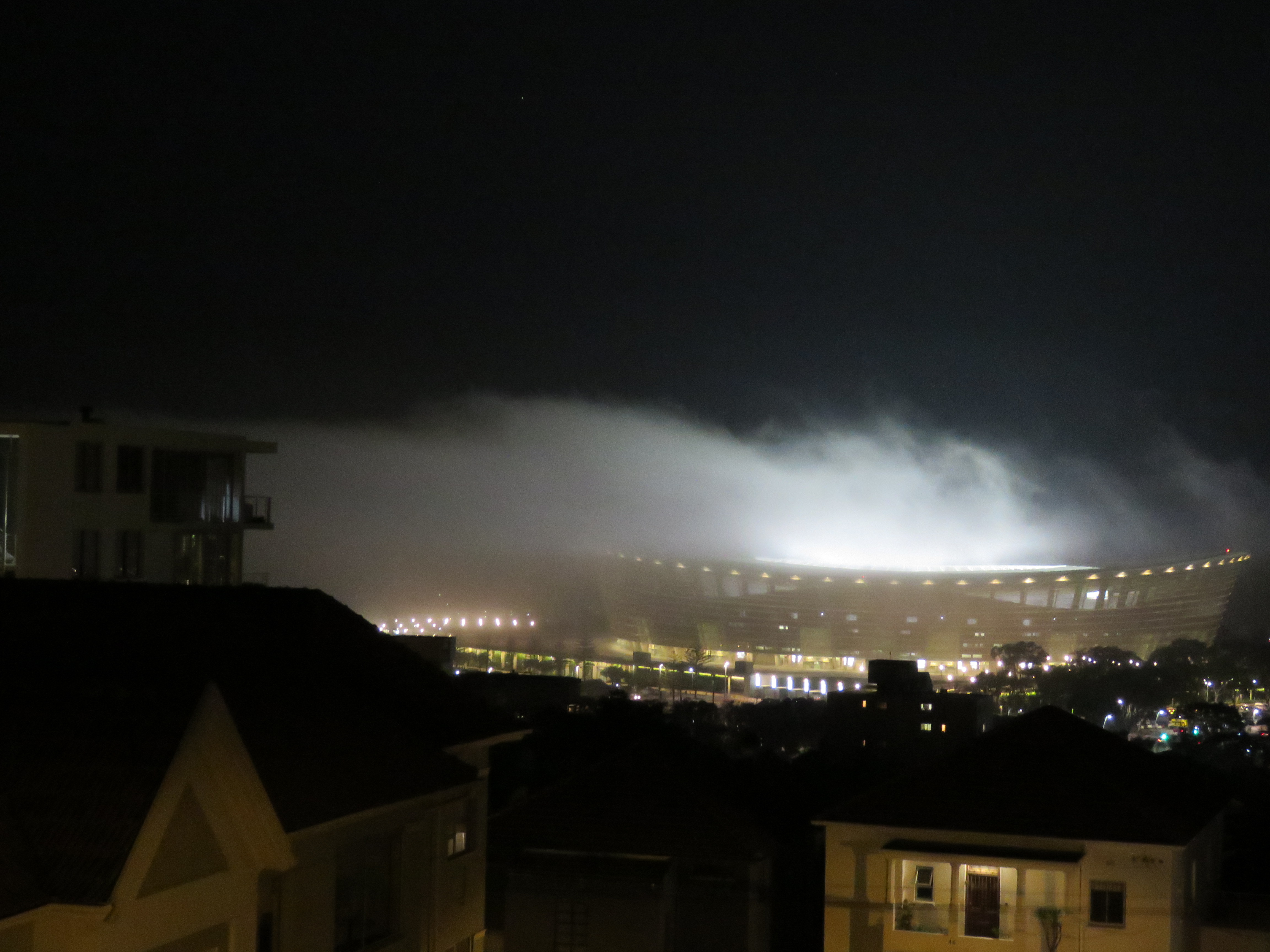
When we looked later in the evening, a fog was rolling in and the rig was hidden from view. The fog made Capetown Stadium look as if it was on fire.
Today we walked along the seafront and the Deepsea Stavanger looked really enormous.
Then in late afternoon, the lights on the rig were switched on, and it started to slowly move westwards. And from my desk, some hours later, it is a small receding light on the north-western horizon.
Oil experts are confident that South Africa will soon be able to announce the discovery of a major new energy field.
Last year, the news that Cape Town was on the verge of running out of water was global. The tourism and the farming sectors were badly impacted. When the winter rains eventually arrived on May 5, the reservoirs were down to 20.9% of their capacity, anything under 10% being largely inaccessible. Fortunately, the winter rains were generous, particularly in the early months, and the reservoirs peaked at 76.2% of their capacity on October 8. For this year the threat of drought has receded.
But for how long has the problem gone away? Cape Town is using about 0.2% of its reservoir capacity every day or 6% every month. The reservoirs are currently at 61.7% of capacity, so without fresh rain, there is a little over eight months of available water. If there is not normal rainfall this winter, the emergency could be back on next year
From reports I have seen, the average American uses more than 300 liters of water per day. During the peak Cape Town drought last summer, we had to limit ourselves to 50 liters per day, increased to 70 liters when the winter rains arrived, and recently increased again to 105 liters.
Our small building in Cape Town has only six apartments; two on each of three floors, with a secure parking garage in the basement. Our apartment is on the top floor.
Now we know how much water we were consuming as a building, but we had no idea if our individual apartment conservation efforts were adequate. So the building committee decided to install individual water meters in each apartment, and a plumbing company was contracted to carry out the work.
And on a beautiful Cape Town morning on 15 January at 09:00, a plumber and his mate started work. Shortly after, they found that they did not have the right meters, and off they went to plumbing suppliers to source the correct ones.
When they returned, they started work on the first apartment, only to find that the pipe inserts that they had were not the right size. So back to the suppliers they went once more, but this time with no luck. They could not find the required size.
So rather than abandon the task for the day, they decided to at least install the meters, and come back another day, when they had located the correct inserts. At 13:00, they arrived in our apartment, the second of the six apartments to be converted.
By 13:40, the initial work was completed, and I offered to knock on our neighbour’s door, the next on the plumber’s list. When she opened her door, there was a tremendous whoosh of air and a resounding bang, as our door slammed shut behind us, trapping in a horizontal position, an apron, that had been hanging on the wall beside the door.
And nothing we did would open the door. Nothing would move it, not even Tony’s shoulder charge. As unlikely as it appeared, it looked as if the force of the slamming had caused the door to lock, and my keys were inside the apartment.
So, for a while we considered climbing up from the apartment below, but we did not have a suitable ladder. In the end, our neighbour contacted Lotta at her office in the city, and drove off to get her keys.
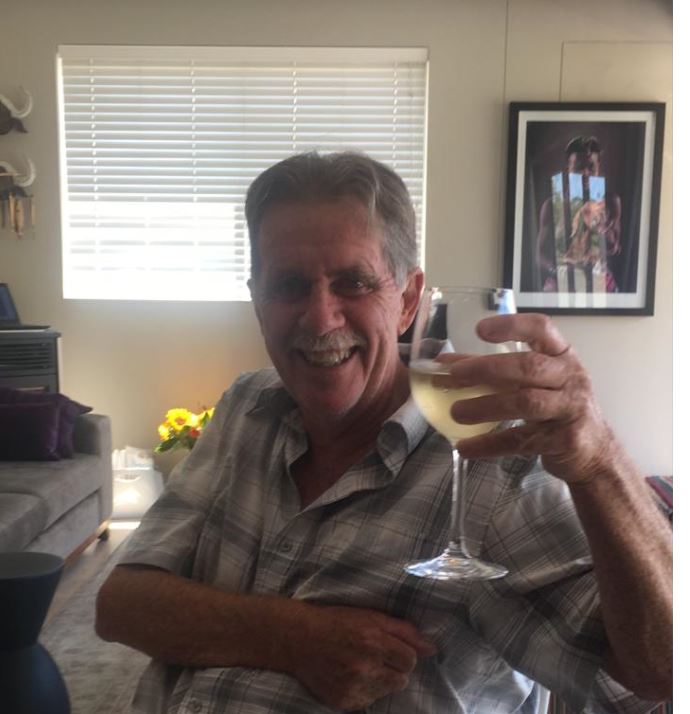
In the meantime, Tony offered me a glass of delicious white wine in his apartment, while we waited.
Locked out and looking quite concerned…
But when the keys arrived, it was soon obvious that the door was not locked, just jammed, due to the apron. So everyone had a go at pulling it out, and after several attempts, the plumber succeeded in wrenching it free.
And the door sweetly opened, with no effort.
Finding myself being locked out of our apartment in Cape Town, reminded me of an incident that occurred to me, many years ago in the early 1990s, when I used to spend a lot of time in Brussels on business. I had a contract at attractive rates with the Hotel Euroflat on Boulevard Charlemagne, and on the very rare occasion when they were fully booked, they used to find me a room at an up-market hotel across the street. It was on such an occasion that I am recalling.
I had just got back to my room from training in the Parc du Cinquantaire – I was still a keen runner in those days, and I was rather late for a dinner appointment. I stripped off my running gear and went straight to the bathroom to shower. I threw open what I thought was the bathroom door, only to find myself standing naked in the hotel corridor. Now hotel entrance doors tend to have a strong spring to avoid them being left open, and it was something of a miracle that I managed to realize my predicament, and grab the door behind me, before it slammed shut. I was microseconds from having to descend in the elevator, stride naked across to reception and request another room key.
But how could I have made such a mistake?
For this particular room, the layout was different to a standard hotel room. If one stands with back to the window, normally the bathroom is next to the bed and at the end of a short corridor there is the entrance door. But in this case, the entrance door was next to the bed and the bathroom was at the end of the corridor, where the entrance door would normally be. An easy mistake to make; a possibly embarrassing outcome.
I wonder how many others have got caught like me?
But the curtain had not yet come down on the ‘water meter’ drama. Late afternoon yesterday, there was a message on our Whatsapp group to say that the recently installed piping in the apartment next door had come loose, and the geyser had ejected 400 liters of water. It was all hands to the pump.
Luckily there were several of us in the building at the time and we collectively sourced buckets, towels, mops, sponges etc. and within the hour, all was almost spick-and-span once more.
And while we waited for the plumber and his mate to return to re-do his handiwork, Tony produced two more cold bottles of the same delicious white wine, that had so successfully consoled me a few days previously.
I would never consider myself as an expert on wine, despite my life-long exposure to grape juice. I have never quite felt comfortable when I have been requested to approve a wine by a usually supercilious waiter, and I will never forget the day when I tasted and ‘approved’ a wine at a lunch in Paris, only to have my colleagues spit it out, declaring it to be ‘corked’. It had tasted fine to me. I hope that Liliana Frigerio cannot recall that occasion!
When my sons arrived here in Cape Town last November, one of our suggestions of ‘Things to do in Cape Town‘ was a visit to the oldest wine farm in South Africa, followed by lunch. So one day we set off in two ‘Ubers‘ for the 30-minute drive to Groot Constancia.
Now why they are called ‘wine farms‘ and not ‘vineyards‘ I am yet to understand. I assume that something got lost in the translation to English from Afrikaans or Xhosa.
It was Simon van der Stel, then Governor of the Cape, that established Constancia in 1685, believing it to be best suitable for vineyards. And it was Hendrick Cloete who bought land in Constancia in 1778 and planted thousands of vines. In time, according to the local marketing material, the resulting wine of Groot Constancia became a favourite drink of many European kings and emperors, including Frederick the Great of Prussia, King Louis Philippe of France and Napoleon Bonaparte.
And how did it come about that Napoleon was able to drink wine made at Groot Constancia, while exiled on the island of Saint Helena in the Southern Atlantic, from 1815 to his death in 1821?
It so happens that the English East India Company, based in Cape Town at the time, was commissioned by the British authorities to provision the garrison and the regiments stationed on the island, as well as the ships of the Royal Navy patrolling the waters around Saint Helena.
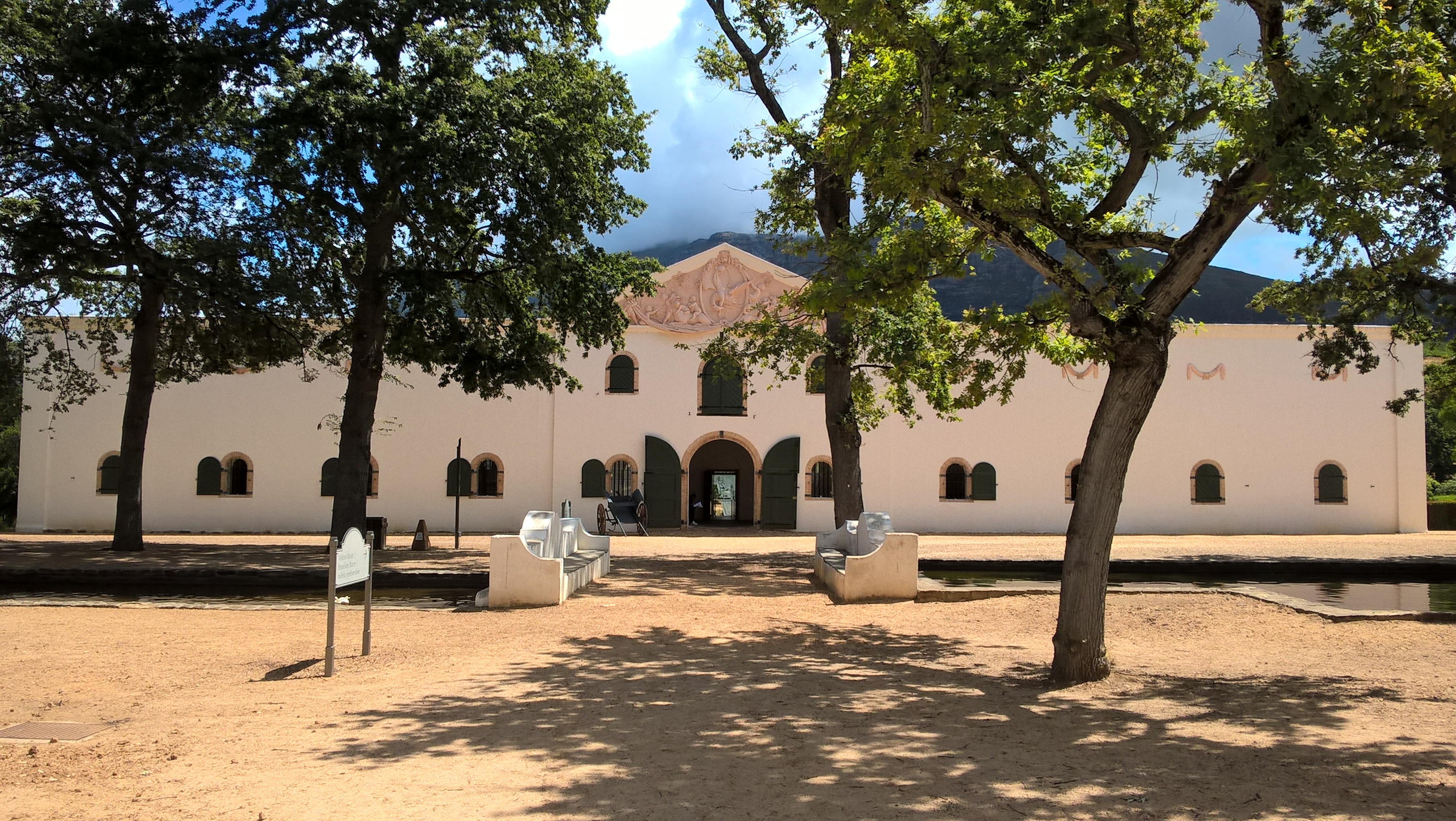
While the rest of our party went on a tour of the facility and a presentation on the wine-making process, I wandered around the well-preserved buildings and the vineyards. It was so tranquil and I found it difficult to believe that I was in Africa. It felt more like Spain.
One of the original building on the estate
When we convened, after a delicious lunch in the restaurant, we had the opportunity to sample some of the local wines. They proved to be delicious, and I couldn’t resist buying a case of their white.
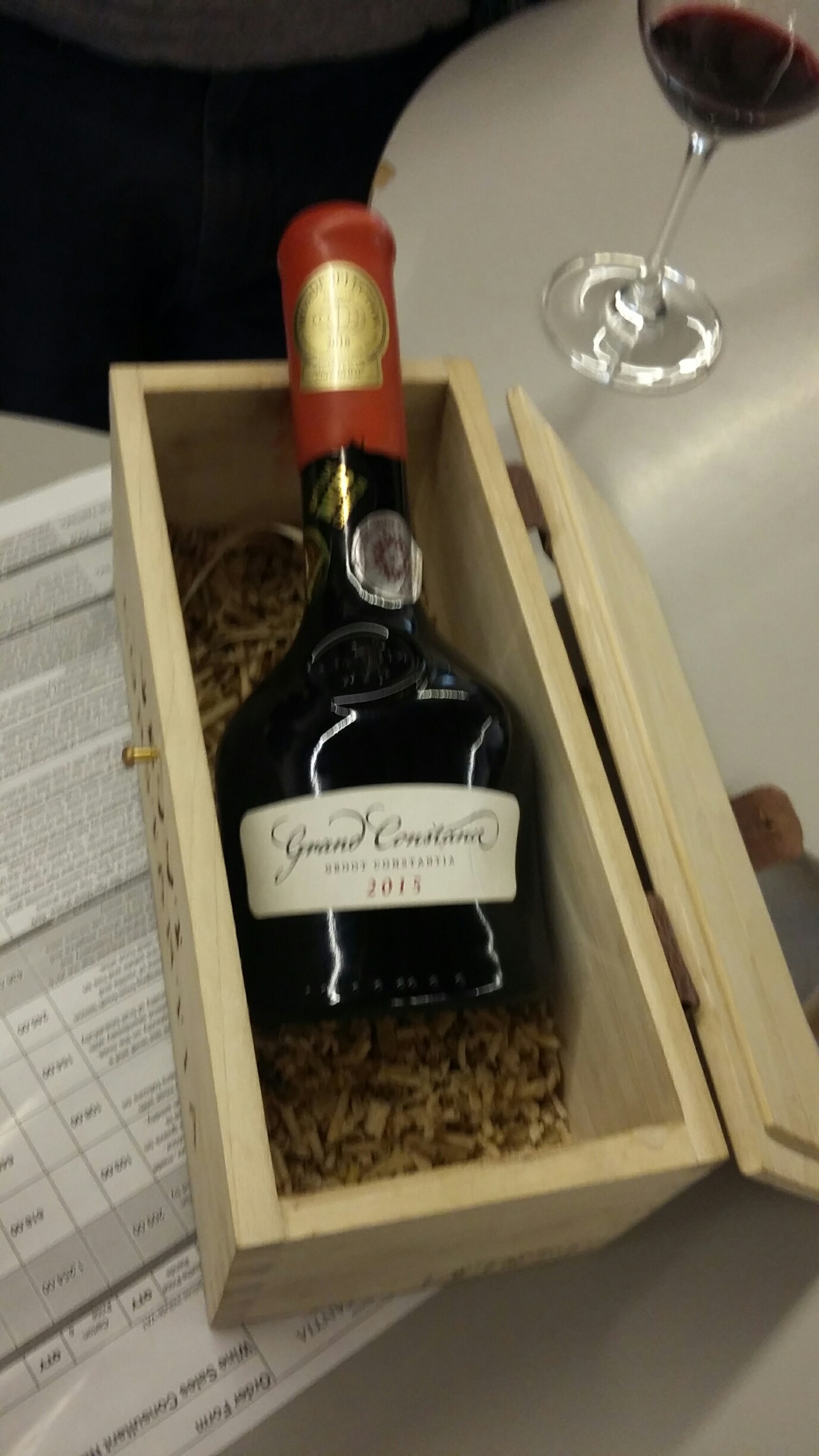
My four sons synchronizing their tasting of a red
And two other examples of the local wine that we purchased…
For more information on the interesting history of Groot Constancia, click here
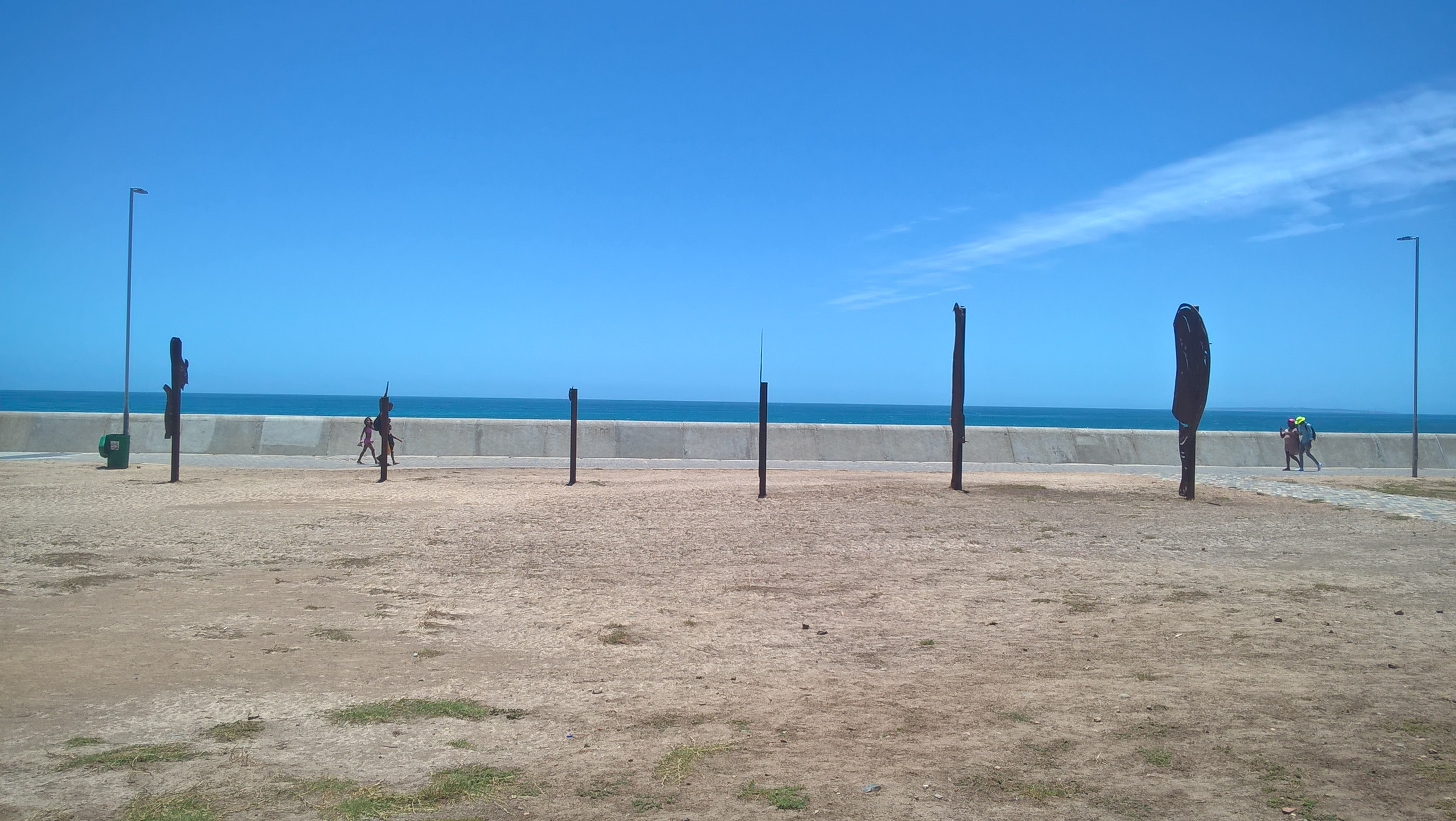
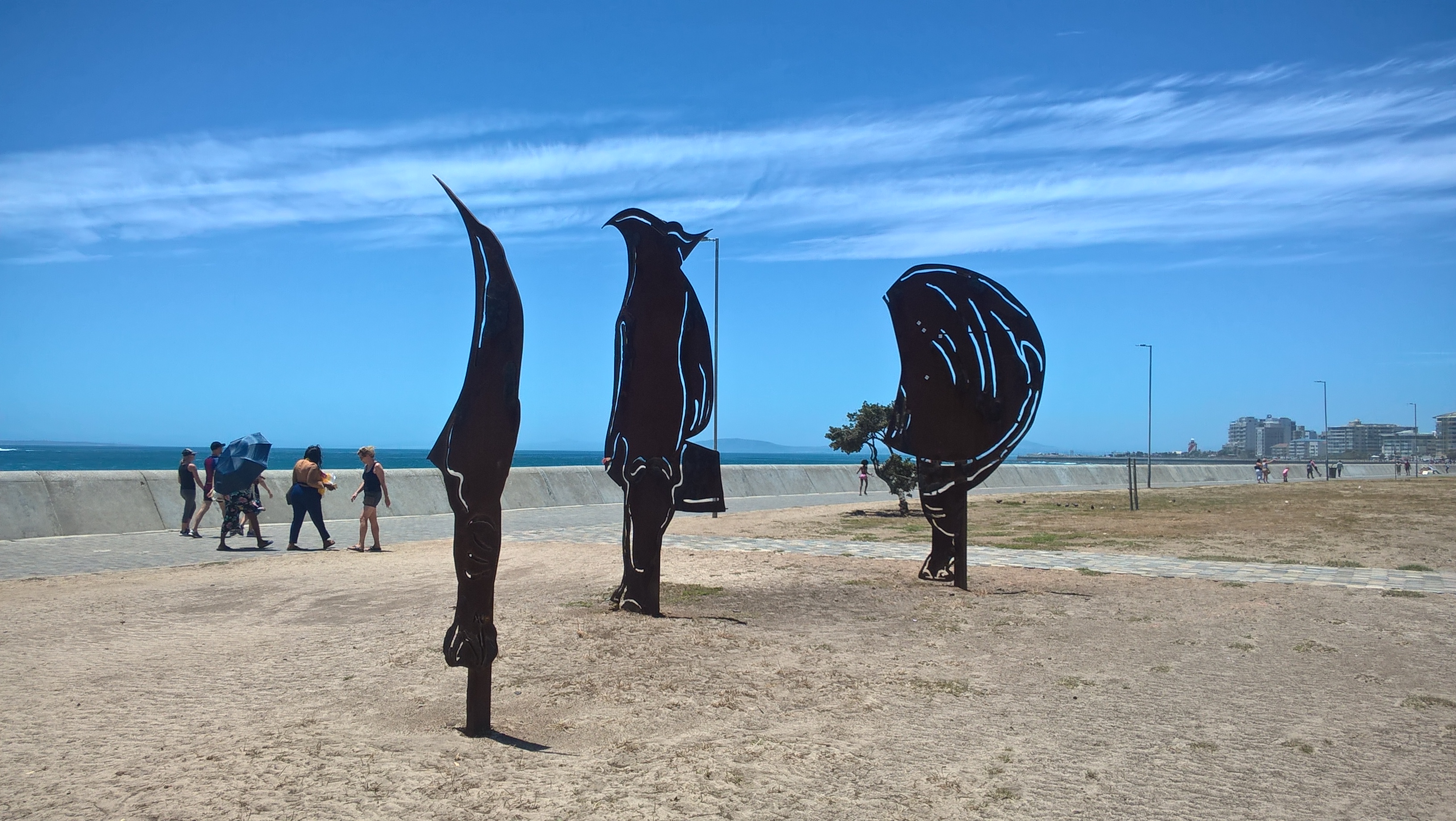
If you walk along Beach Road in Sea Point, the ocean-side suburb adjacent to Green Point, you might notice a row of six posts alongside the promenade. If you are curious, you might cross the drought-stricken park to have a closer look.
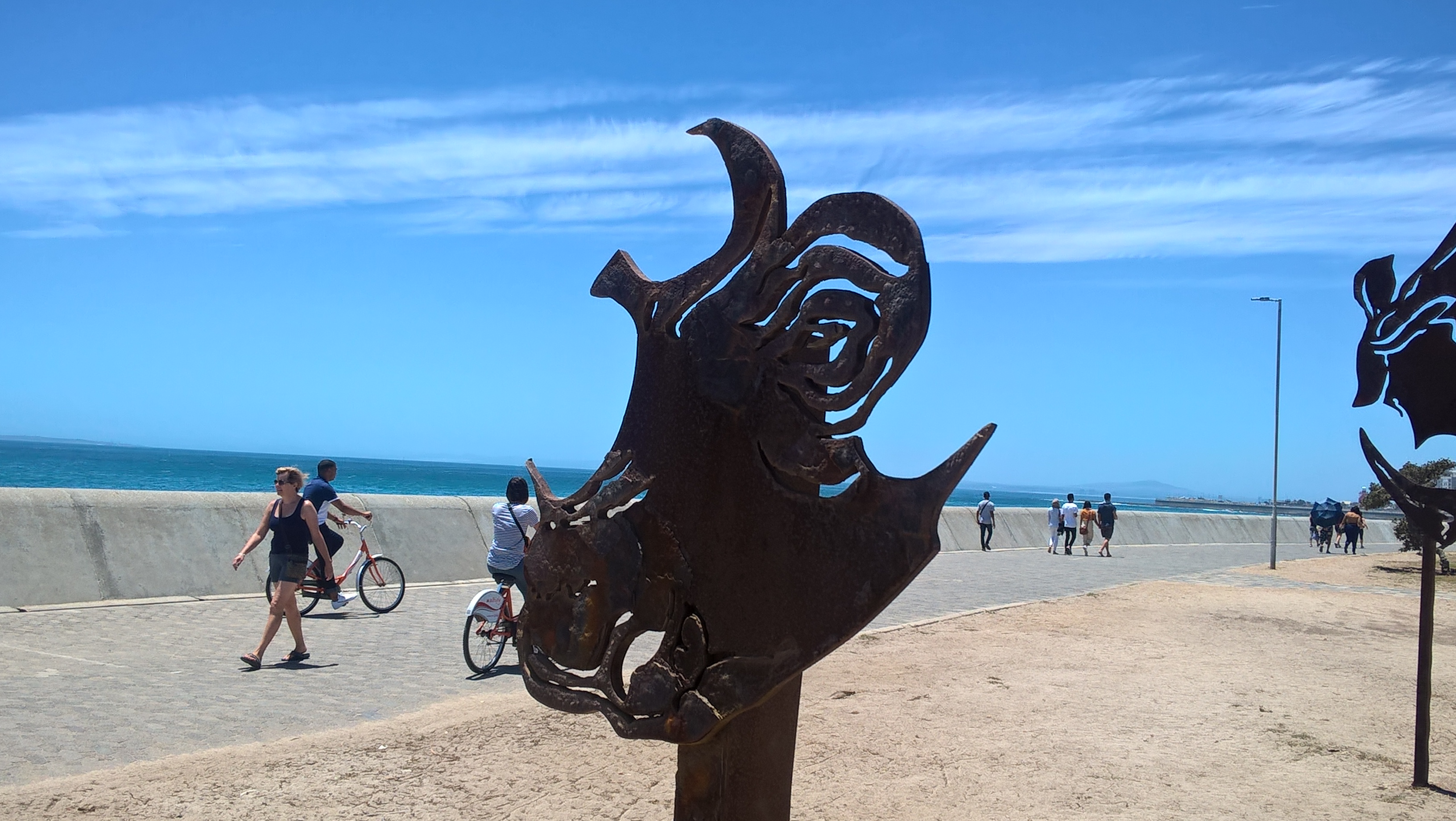
And from closer, they appear to be strange ironwork sculptures.
But there is nothing to indicate their purpose.
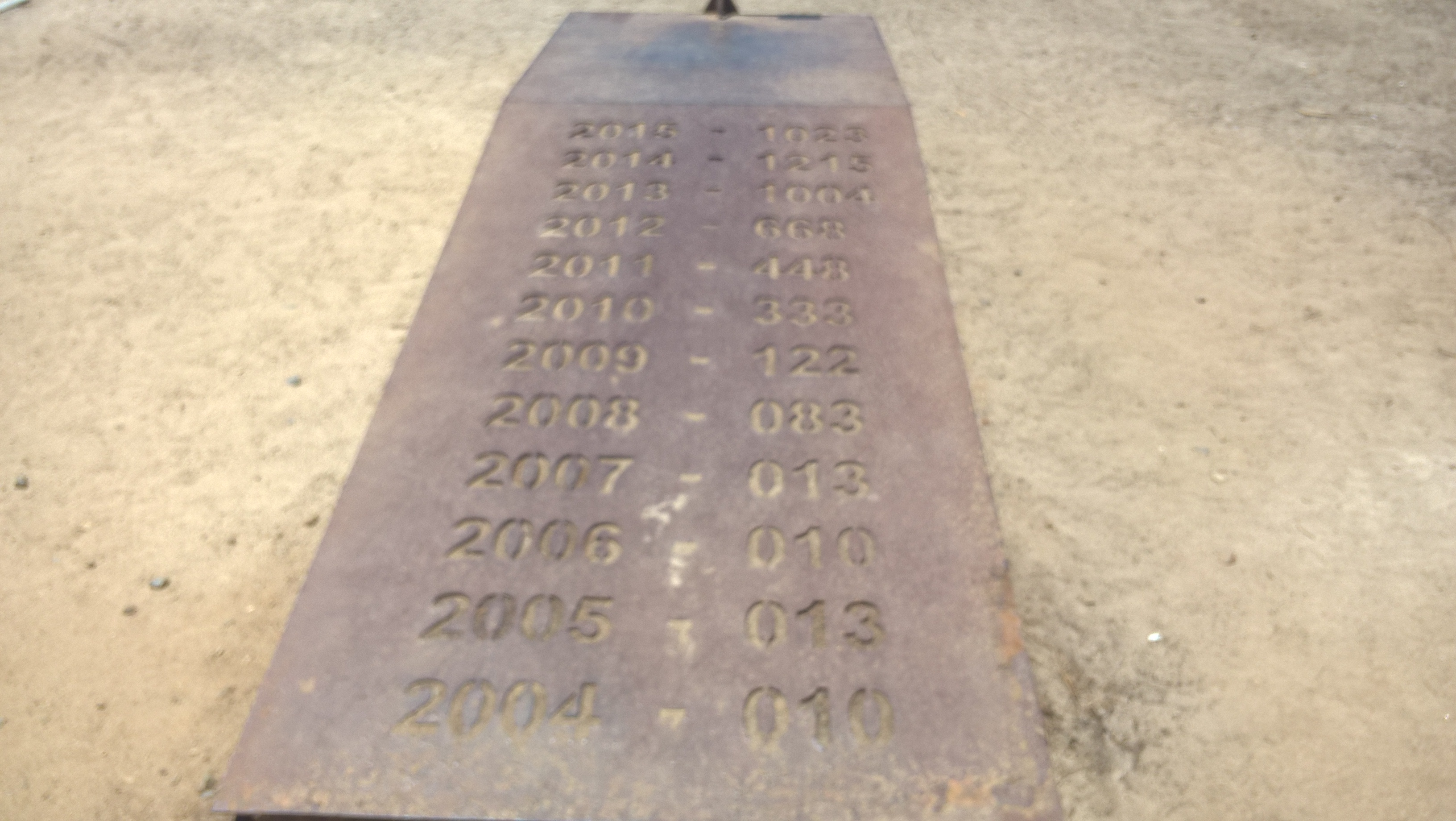
And then you might notice, a little further away, a small platform with dates and numbers.
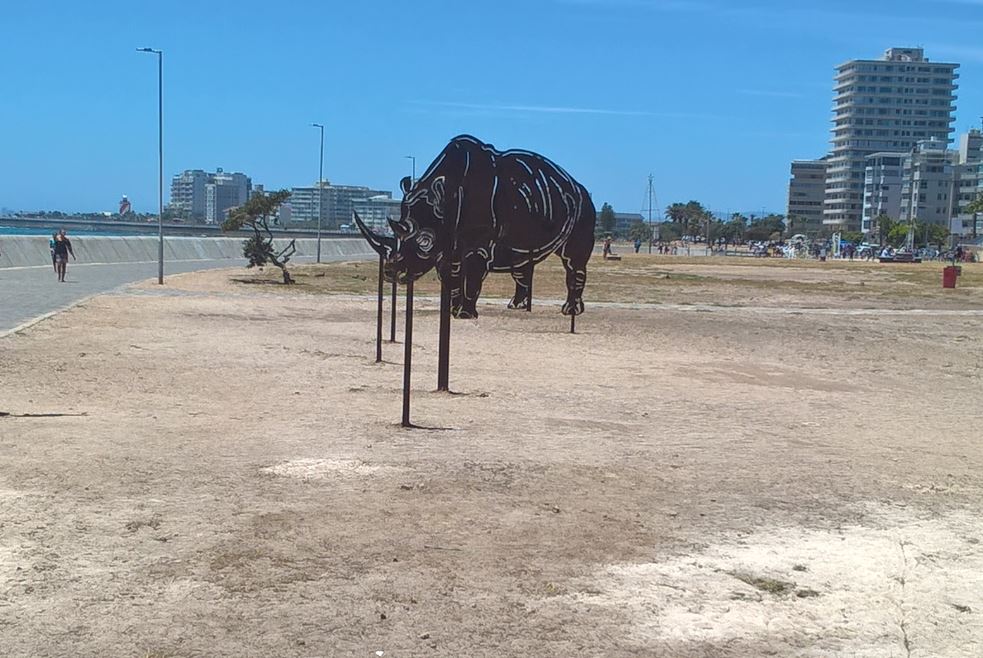
And from the platform, all is revealed: seen from the right observation point, the various metal sculptures merge to form a huge rhino.
And what do the numbers leading up to the observation platform represent?
They reflect the number of rhinos slaughtered each year by poachers to obtain their horns.
And why their horns?
Because there is a demand from south-east Asia for a powdered form of the horn, in the naive belief that it will cure cancer, improve their sexual performance, or a host of other dubious claims, despite scientific evidence that there are no such benefits.
How stupid can people be?
The sculpture at Sea Point was created by André Carl Van de Merle, sponsored by the City of Cape Town, Art54 and Woolworths.
And for what it is worth, I can say, without any reservation, that Woolworths is the best little supermarket that I have ever come across, anywhere in the world.
So if Woolworths is involved in exposing rhino poaching, there is hope…
The Aguila Private Game Reserve lies some 200 km and a little over two hours drive to the north-west of Cape Town. It is a 10,000 hectare reserve near the town of Touws River, and originally held various antelope species. In 1999, it was purchased by Searl Derman, with his goal of re-introducing ‘Big Five’ animals to the Western Cape and allowing them to roam freely.
The term ‘Big Five’ originates with big game hunters and referred to the five most difficult and dangerous animals to hunt: elephants, lions, buffalo, rhinos and leopards. At Aguila there is no hunting, and the term ‘Big Five’ is solely used in marketing materials.
The reserve was named after the Black Eagle (Aguila), an endangered species, that is often spotted by game wardens and occasionally by a guest. They have occasionally been photographed feasting on the remains of a leopard kill.
So it was that we set out early on a Sunday morning, once again in Faried Fakier’s minibus (see Randy’s Tours), to drive to Aguila. The scenic route from Cape Town passes through the wine lands of Paarl and the rugged mountains of Hawequas and Matroosberg. Once past the wine farms, the land was parched and obviously greatly suffering from the four-year drought. Once checked into our rooms for the night, and replete with lunch, we set off on a very bumpy tour of the reserve, with a knowledgeable guide, searching for animal sightings.
The photos that follow were taken by one of our group, except where noted.
Two male elephants
In 2011 some poachers invaded the reserve, killed two rhinos and injured a third, before escaping with the horns. Since then security on the reserve has been escalated. Rhinos are particularly vulnerable to poachers, as the habits of rhinos are predictable: they defecate at the same place most days. Unfortunately, rich and privileged (idiot) Asians continue to believe that rhino horn powder acts as a powerful aphrodisiac, despite it having been proven to be totally useless. What sad bastards they must be.
A typical rhino manure heap
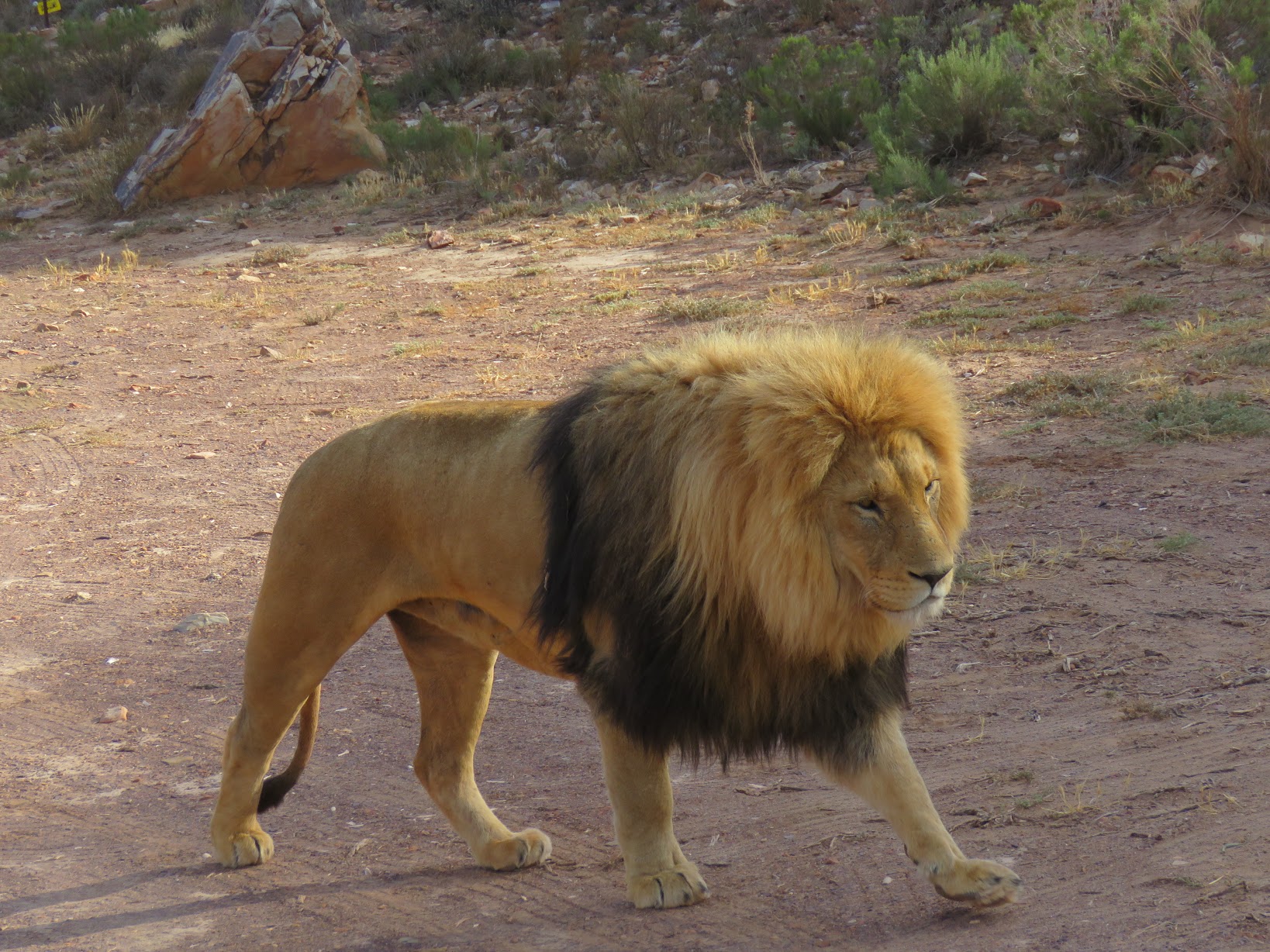
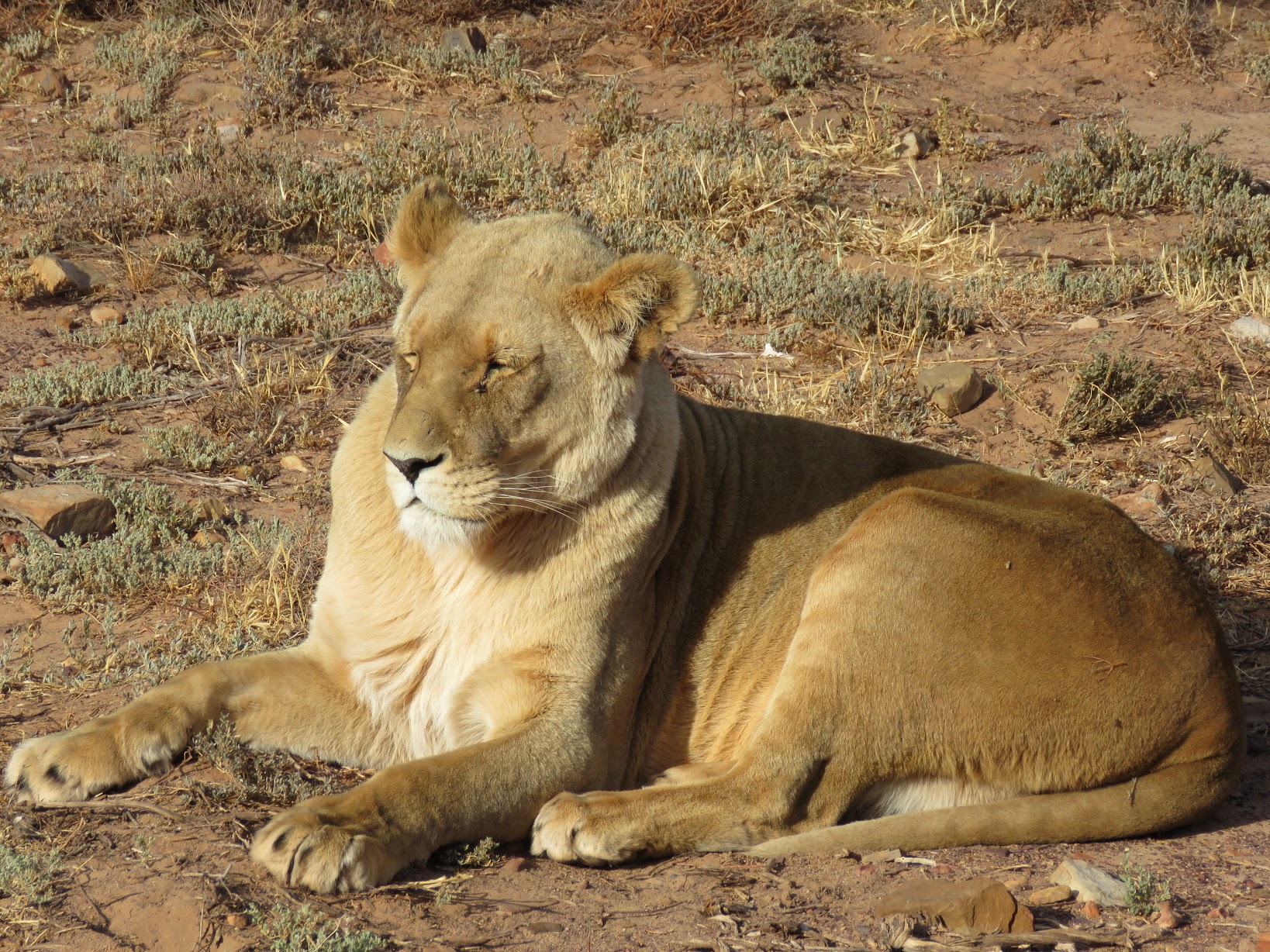
The lions are ‘rescued lions’ from a ‘lion farm’. They had been reared in cages of ten meters square, fed on a diet of steroids to give them bulk, and would have been eventually shot by ‘brave’ rich tourists. No doubt photos and taxidermy would be included in the package. For more information, the Spanish ex-King could help, although it was an elephant and not a lion that he shot (see Spanish kill).
But these were lucky lions – two male and five female. They have a separate reserve, with their own mountain and valley to wander over, and fed once a week. They could not be released into the wild, as they would not be able to support themselves. Once they were doomed, but now they can live out their natural lives.
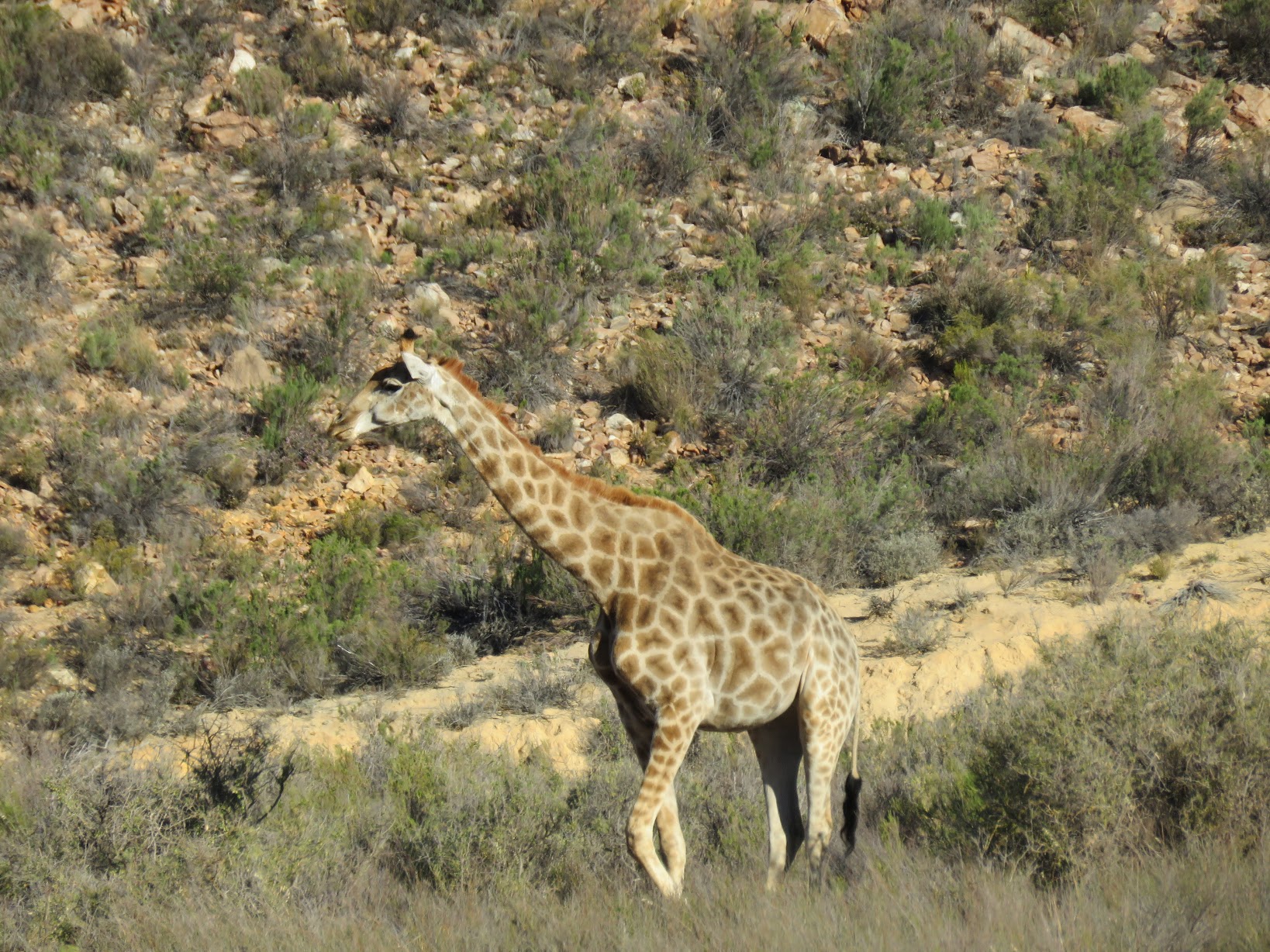
A Southern Giraffe, smaller than its northern cousins
An Eland antelope
Gnu, also known as a blue wildebeest
A springbok
Trying to look sexy, a zebra stallion
The reputably most dangerous of the ‘Big Five’, a buffalo
We did not have any sightings of the hippos, apart from their noses and some snorting of water. Apparently they spend about sixteen hours a day under the water and the young can feed from their mother without surfacing.
Aguila hippos, from their photo collection
There are four mountain leopards in the park, but they are nocturnal and rarely seen. Only the evidence of their kill and their footprints reveal their presence.
A Mountain Leopard (photo from internet)
As an integral part of its mission, Aguila has an Animal Rescue and Rehabilitation Centre. This is a sanctuary for animals that can never be released into the wild again. It is also a temporary home for animals who need treatment and then released back into the wild. This area is out-of-bounds for visitors. Any contact with these animals is kept to the absolute minimum.
Aguila has had some success with this initiative, having released back into the wild three mountain leopards, numerous lynx, porcupines, owls and other species.
Much of the unique information about Aguila, I have noted from our guide or extracted from the Aguila web site. For more detail, see Aguila.
We stayed on the reserve overnight, in very comfortable accommodation. After dinner, we found that a bonfire had been lit, and a knowledgeable local guy gave a fascinating lecture on the night sky, using a laser pointer and a astronomical telescope.
And just before we left the reserve we had the good fortune to come across a rare sighting of a Freckled Blackwood, complete with offspring.
Witnessing wild life can often be a matter of luck… 🙂
For the first time in several years, I managed to organize a two-week reunion, here in Cape Town, with my four sons and one of their girlfriends. They coordinated their flights from Frankfurt and Barcelona so that they all travelled out on the same flight from London. John and Hazel stayed with us in our apartment and Andrew, Bob and Philip stayed in a nearby hostel (see http://www.bigbackpackers.com).
Before they arrived, I sent them my own idea of a list of ‘Things you could do if you only have two weeks in Cape Town‘. They managed to do just about everything, except ‘ Shark Cage Diving‘, and visiting Robben Island, the notorious prison where Nelson Mandela was held for so many years. They booked tickets for the island, but unfortunately, when they turned up at the dock, the tickets were reserved for the preceding day. Whoops!
Travelling around the Cape of Good Hope was a unanimous choice. When I heard that we were considering renting a minibus, I was not in favour, and instead I insisted that we contract Faried Fakier to show us around the peninsula. Apart from regularly transporting us and our friends to and from the airport, Faried is a qualified tour guide. He and his wife, Rosina, have their own company, Randy’s Tours. I would have no hesitation in recommending them to anyone visiting Cape Town and surroundings.
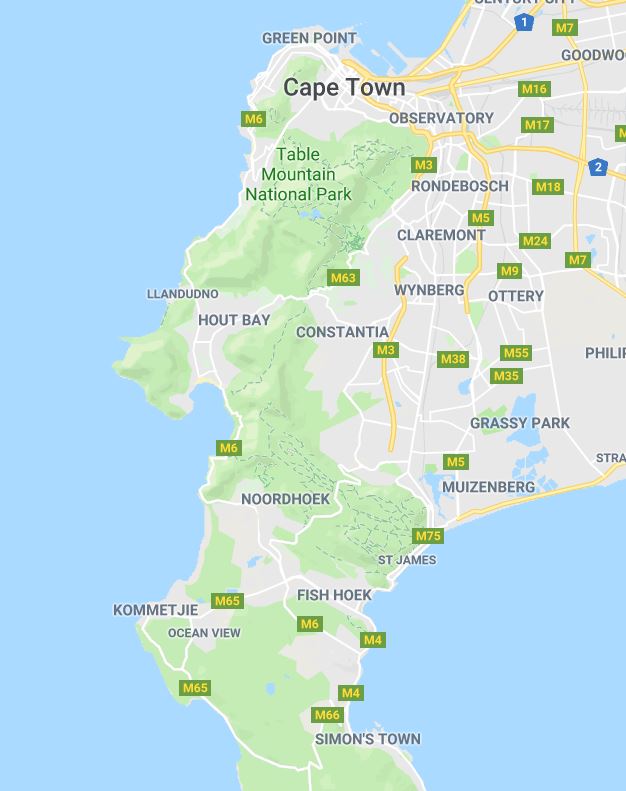
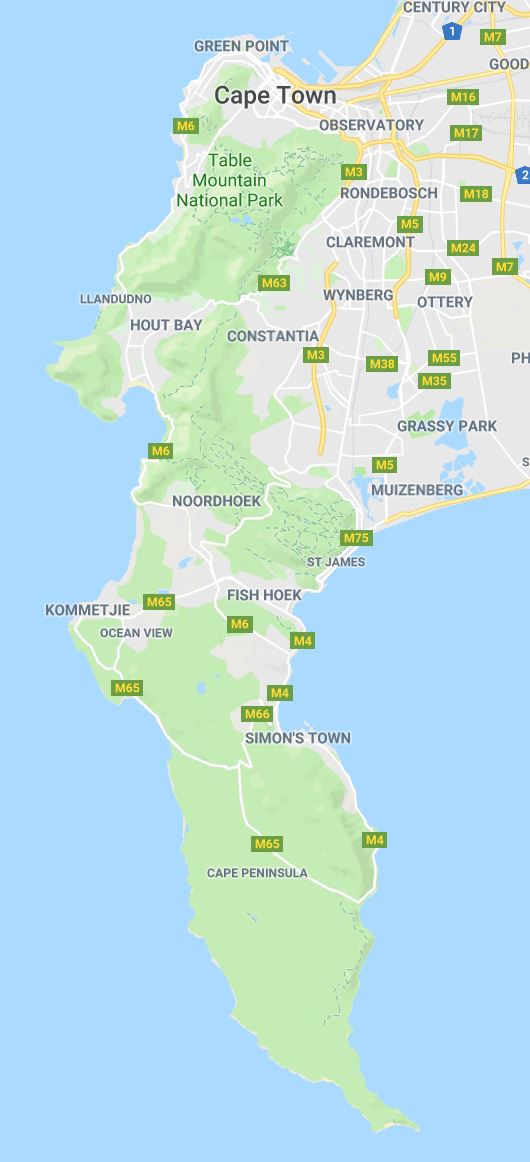
So at 09:00 sharp, we set off from our Green Point apartment, heading east around Signal Hill and Table Mountain, then south through Constancia to Muizenberg.
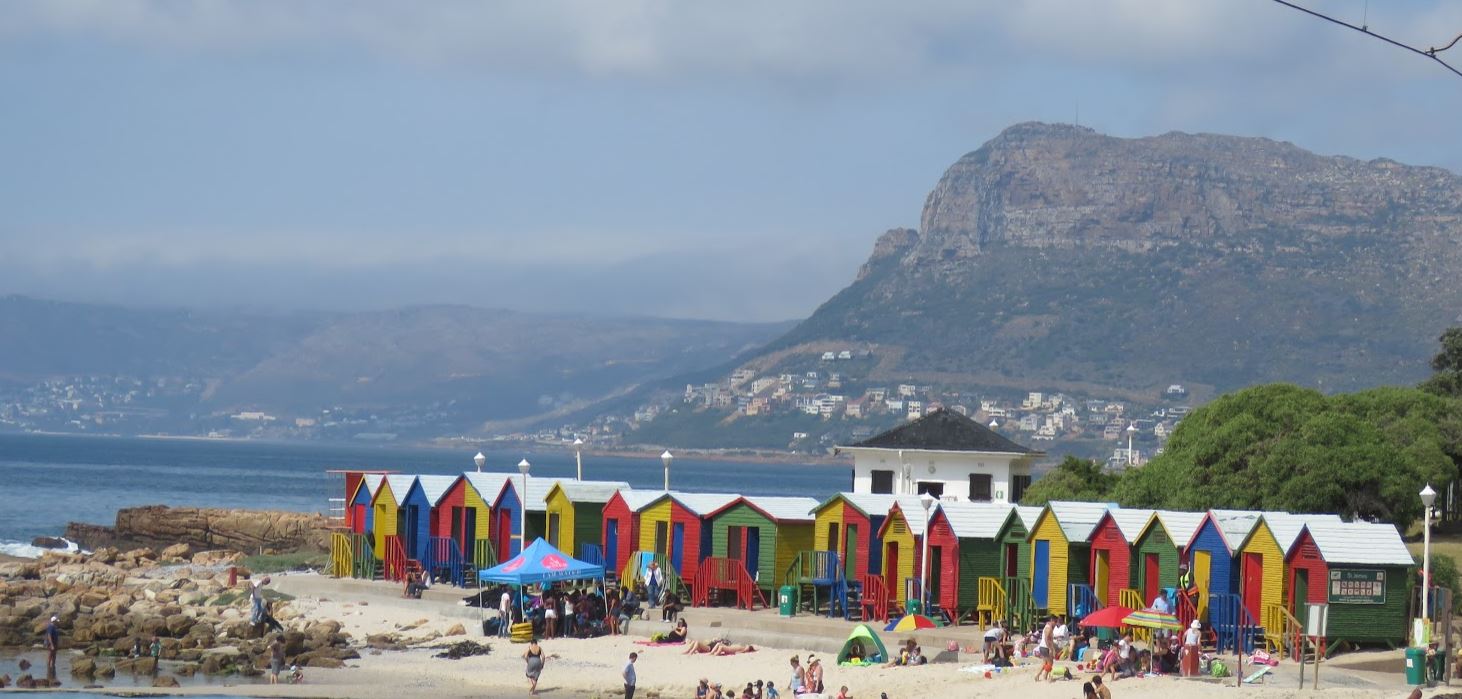
From Muizenberg we followed the False Bay coast, passing the colorful bathing huts of Saint James Beach.
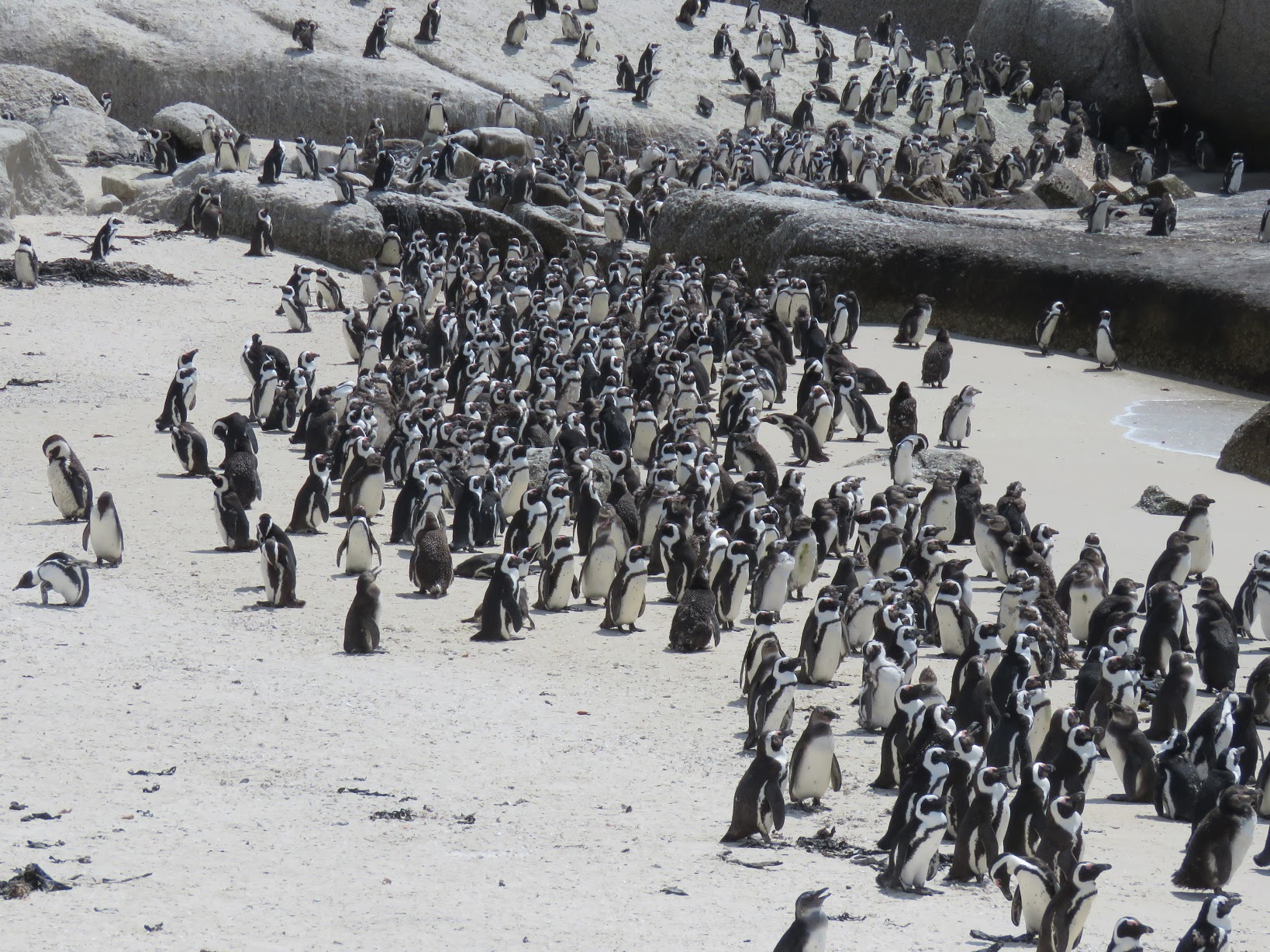
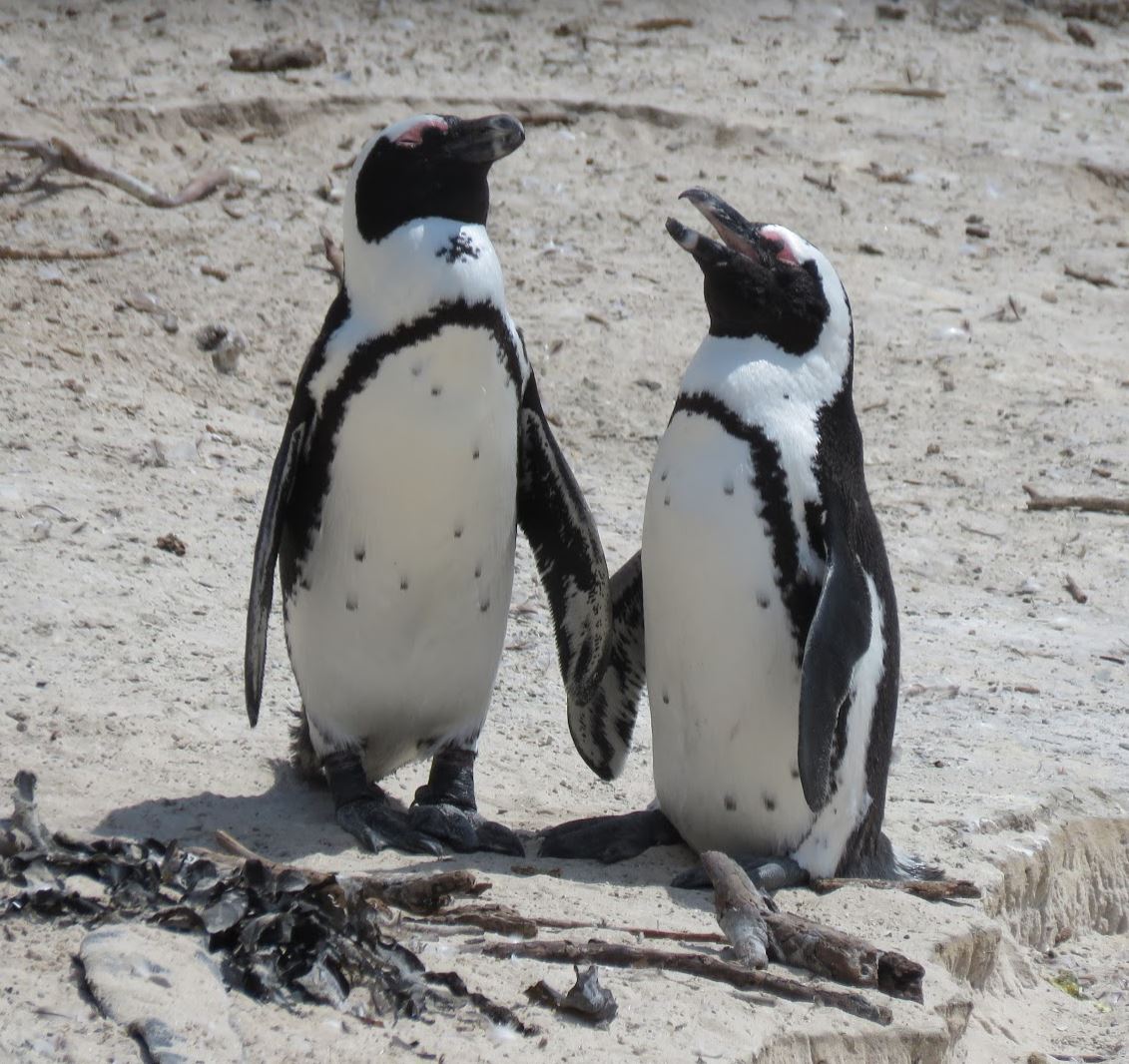
We continued through the trendy fishing villages of Kalk Bay and Fish Hoek and stopped after Simon’s Town, at Boulders Beach. It is here that one can view the evidence of the positive conservation efforts of recent years. African Penguins can only be found in South Africa and Namibia and have been considered as a species on the verge of extinction. In 1982, two breeding pairs settled on Boulders Beach, and today there are in excess of 3000 birds on the beach.
This guy was far from the beach, sitting under the first step of the board walk, looking out for suspicious characters
In their tuxedos, waiting for the concert
‘Have you I ever told you that you’re a hunk?’
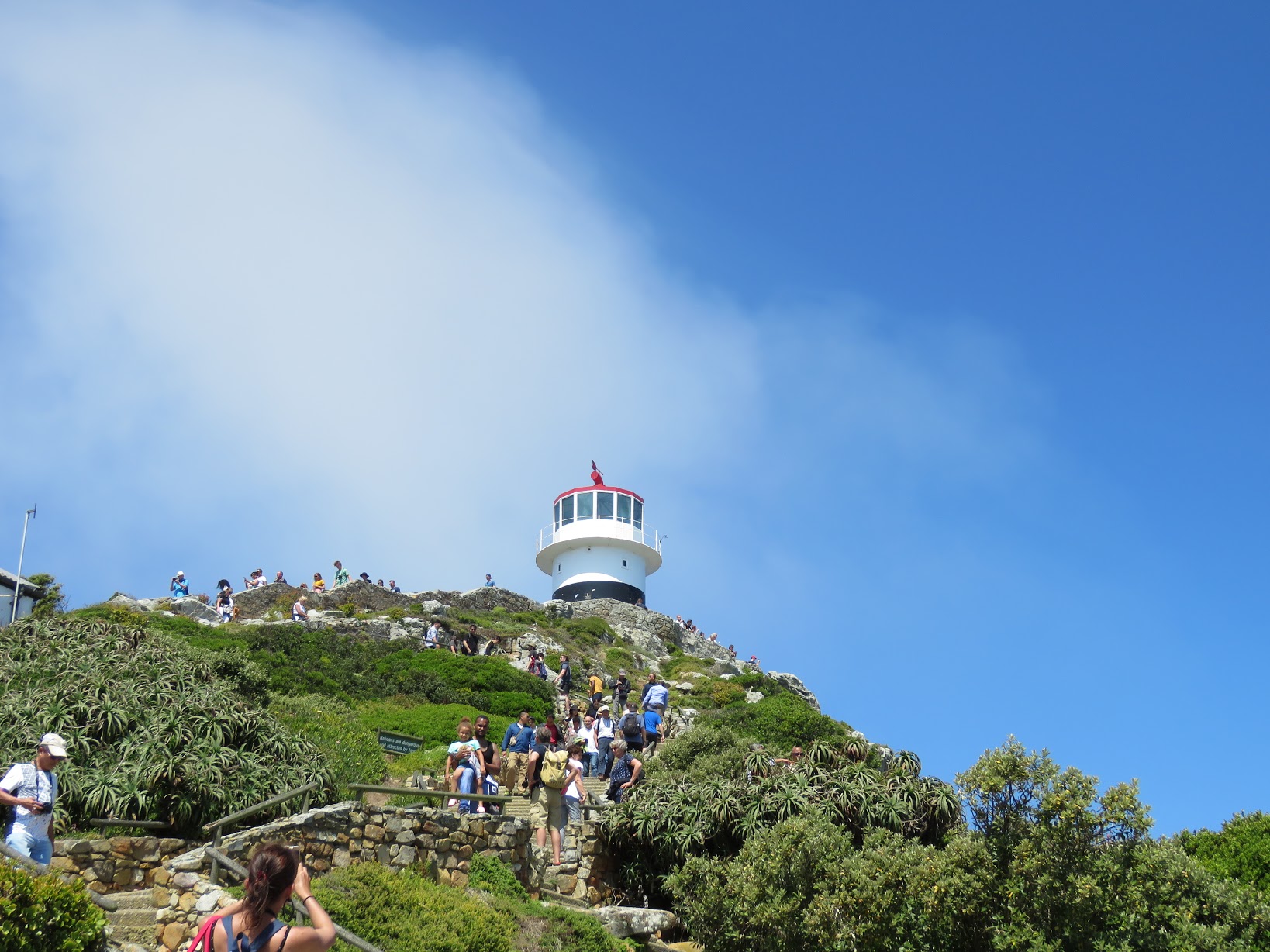
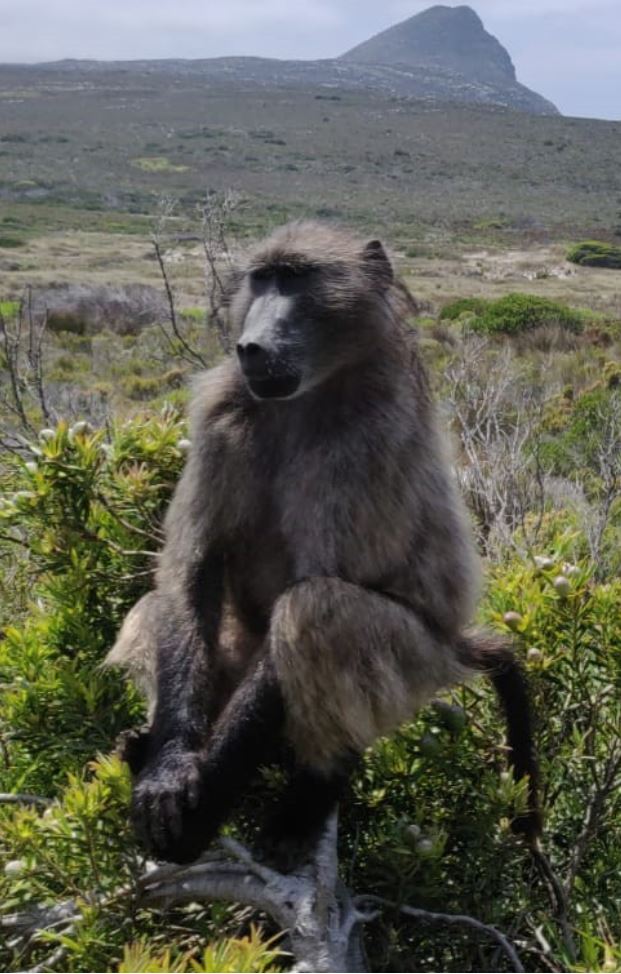
From Boulders Beach we drove to the Cape National Park. It was there that we came across a troop of baboons. This guy was the obvious leader. He just sat with a stick up his bum, ignoring us.
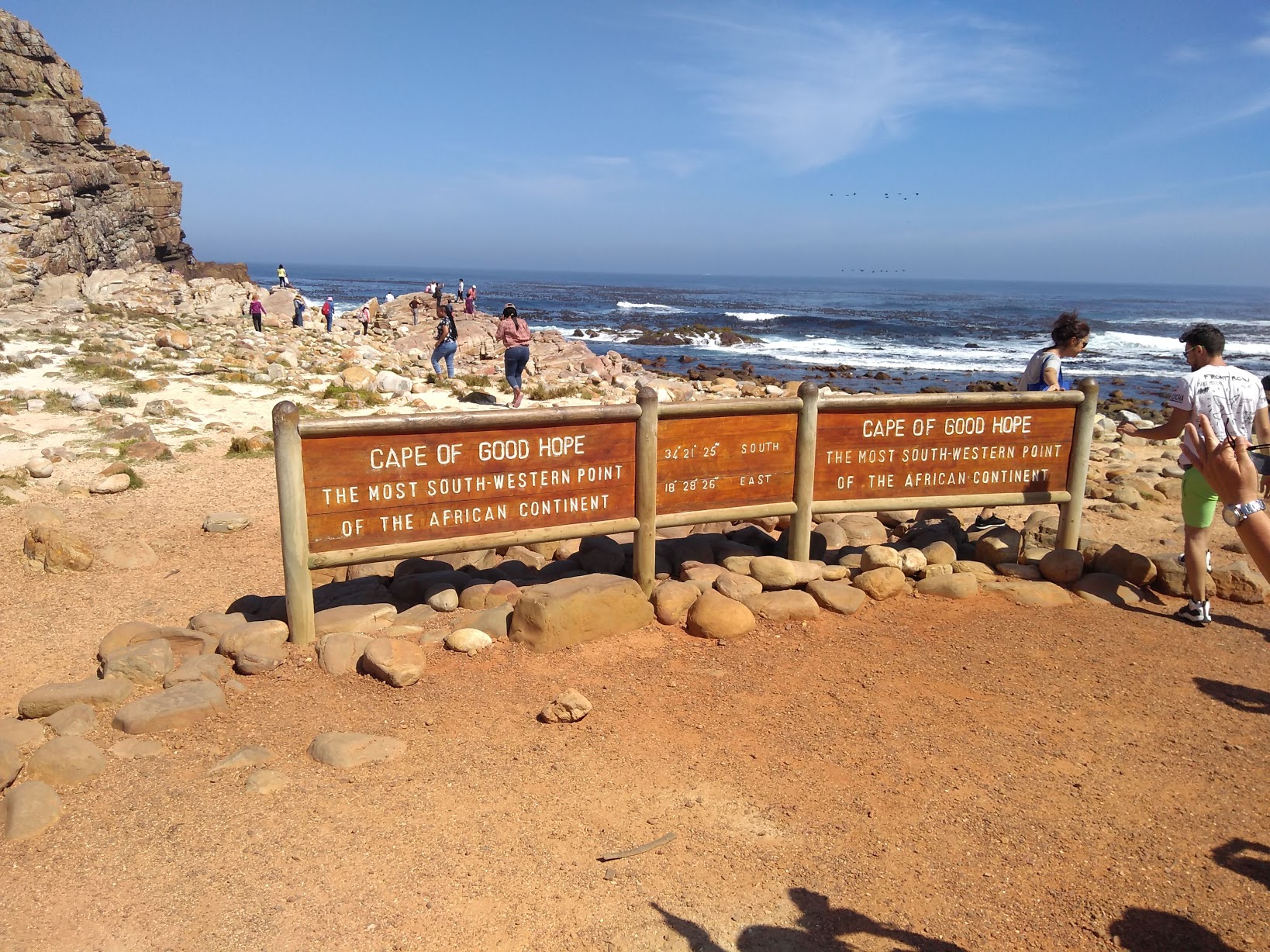
The actual Cape of Good Hope is the sort of place I would normally never go near. Too many tourists and few, if any, locals. But at least I can say I have done it… 🙂
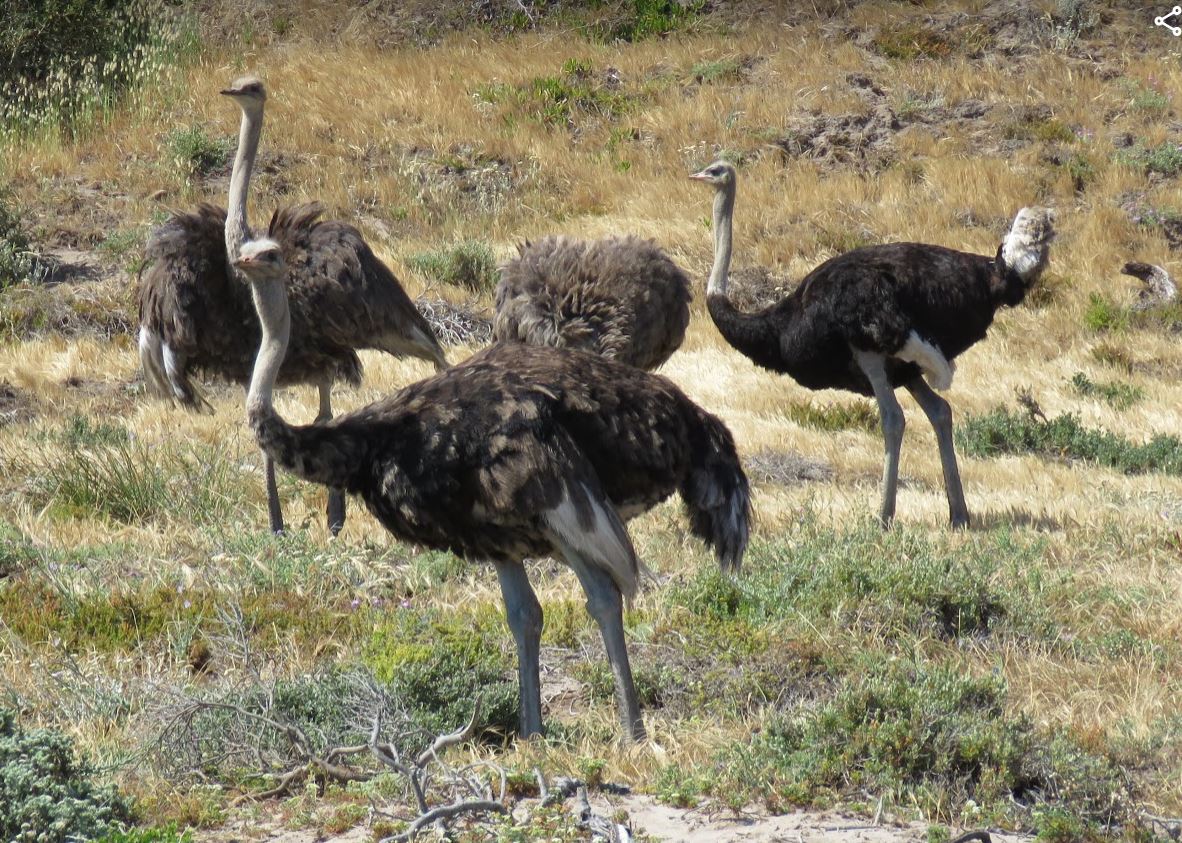
On the way out of the park, we came across this flock of wild ostriches.
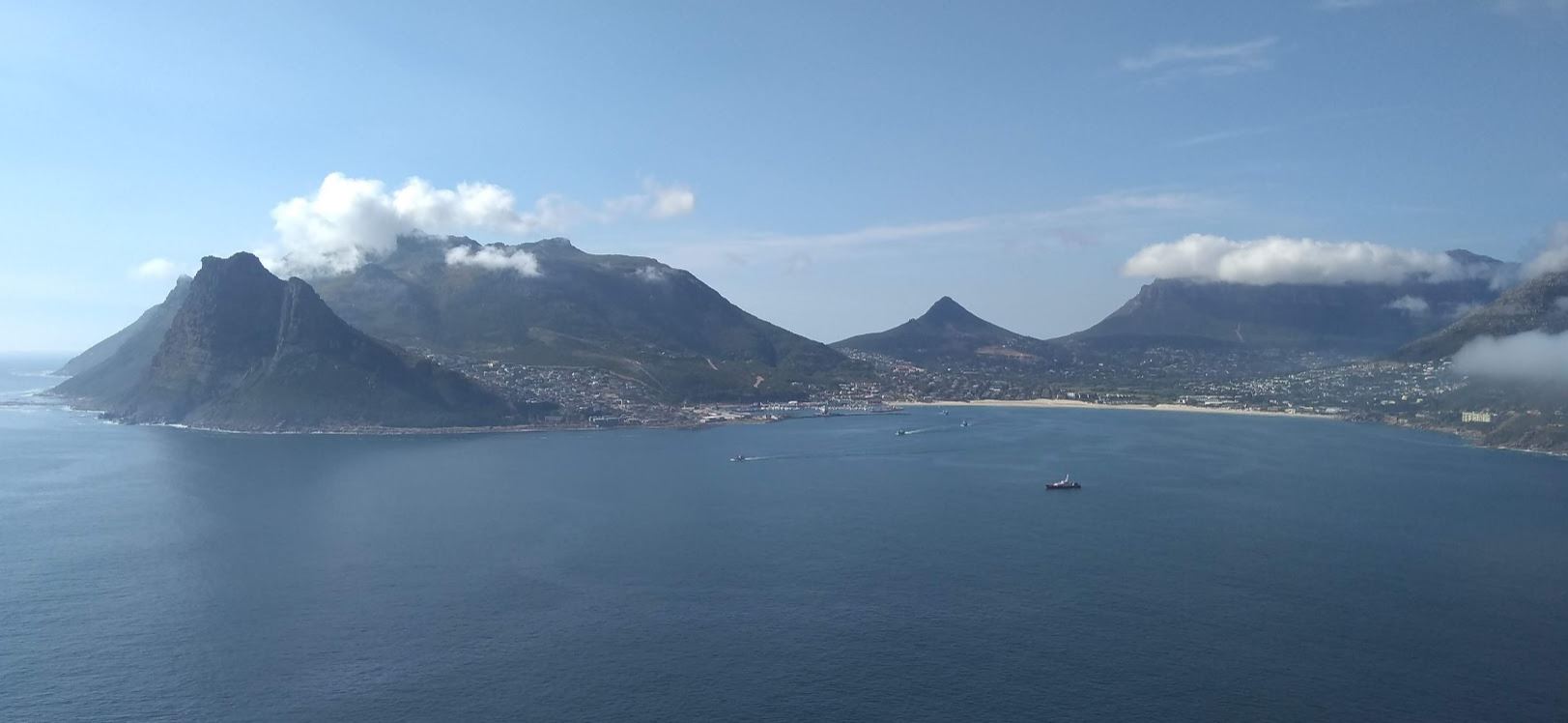
And on the way back to Cape Town, we stopped at Chapman’s Peak with this fabulous view.
Charles Ringwood was born on 6 November 1831, in Hethel, about 10 km to the south-west of Norwich, in Norfolk, England. He was the eldest son and the third child of William Ringwood, a shoemaker, and Hannah Peachment. William’s father was my 4th great-grandfather. In about 1832 the family moved to nearby Wymondham, where they had four more children.
The Church of the Latter Day Saints (Mormons) was founded by Joseph Smith in 1830 in the US. He died in 1844. About 1840, his eventual successor, Brigham Young went to England to recruit new followers. In 1844 more than 70,000 people migrated from Europe to join the Mormons. The mass migration from Nauvoo, Illinois, west to Utah, took place in 1846/7.
In 1853, when he was 22, William’s eldest son, Charles, left England to join the Mormons in Salt Lake City. He traveled out with the Claudius V. Spencer Company from Liverpool. They set sail on 23 January on the ship, Golconda and after a voyage of 44 days, they reached the mouth of the Mississippi River.
There they had to wait for twelve days until a steam tug carried them to New Orleans, where they arrived on 26 March. From there they continued on another steam boat to Keokuk, Iowa and finally overland to the staging post at Kanesville, Iowa, present day Council Bluffs.
About 250 individuals and 40 wagons were in the company when it began the final stage of its journey, crossing the the river Missouri about June 3, and arrived in Salt Lake Valley on 24 September 1853.
In 1855 Charles married Dinah Elizabeth Forster. In 1866 Charles spent six months serving as a 2nd Lt. with Major A. Barts Infantry in the Blackhawk war. Dinah died in March 1869, two weeks after giving birth to her seventh child.
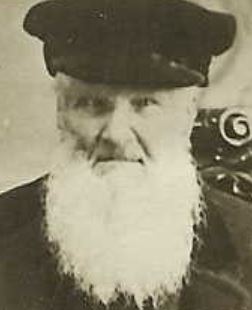
Charles Ringwood 1831-1914
In June 1869 Charles married Caroline Althea Robbins and in the next 25 years Charles and Caroline had a further 14 children, only seven of them surviving infancy.
Caroline Althea Robbins 1850-1950
In the 1871 UK census, of the original Ringwood household in Wymondham there only remained the parents, William and Hannah, the eldest daughter, Mary Ann, and her two children – Emma and Charles, of unknown fathers. Later in 1871, the parents, daughter and grandchildren followed Charles in migrating to Utah.
Although I had found possible evidence of their deaths in Salt Lake City, I could not envisage William and Hannah undertaking such an arduous journey, as both of them would have been well into their seventies at that time. Not only did they have to travel across England to a port and undertake the ocean crossing, but they then had the long and sometimes dangerous journey across the United States to Utah. I had the evidence, but I really did not trust it.
So I remained in doubt for many years, until it occurred to me to find out when the railroad first reached Salt Lake City. And I came across the explanation that I was looking for – the line was opened in 1869, with a branch line north to Ogden in 1870. No doubt it was still not easy for the two in their mid-seventies, but there was now no doubt in my mind that they did it. So, William and Hannah Ringwood spent their last years in Salt Lake City, both dying a few months apart in 1887.
William Ringwood (1796- 1887)
Hannah Peachment (1799-1887)
Charles himself died in 1914. On his death certificate his former occupation was recorded as a police officer. The cause of death was given as old age and ‘paresis of bowel’. Caroline died the following year.
Over the past years I have gradually traced and recorded the descendants of William Ringwood. My research is not yet complete, but the descendants already number in the several hundreds.
But the validity of my research was always based on Charles Ringwood and his parents being those of Hethel and Wymondham in Norfolk. I remained reluctant to make that assumption. And then in recent days, I came across a paper called ‘History of Charles Ringwood by Flossie Ringwood Gray‘, a daughter of Charles Ringwood.
For the past two weeks the weather in Cape Town has been unseasonably hot, the temperature hitting more than 30 C every day. The average high for October is 22 C and the record high 32 C (in 1997), yet last Monday my dentist recorded the temperature on her thermometer at 38 C. Considering that October is equivalent to May in the northern hemisphere, summer seems to have arrived very early. So, knowing that it was going to be another hot day, last Wednesday I decided to leave earlier than normal, at nine o’clock, for my habitual long daily walk.
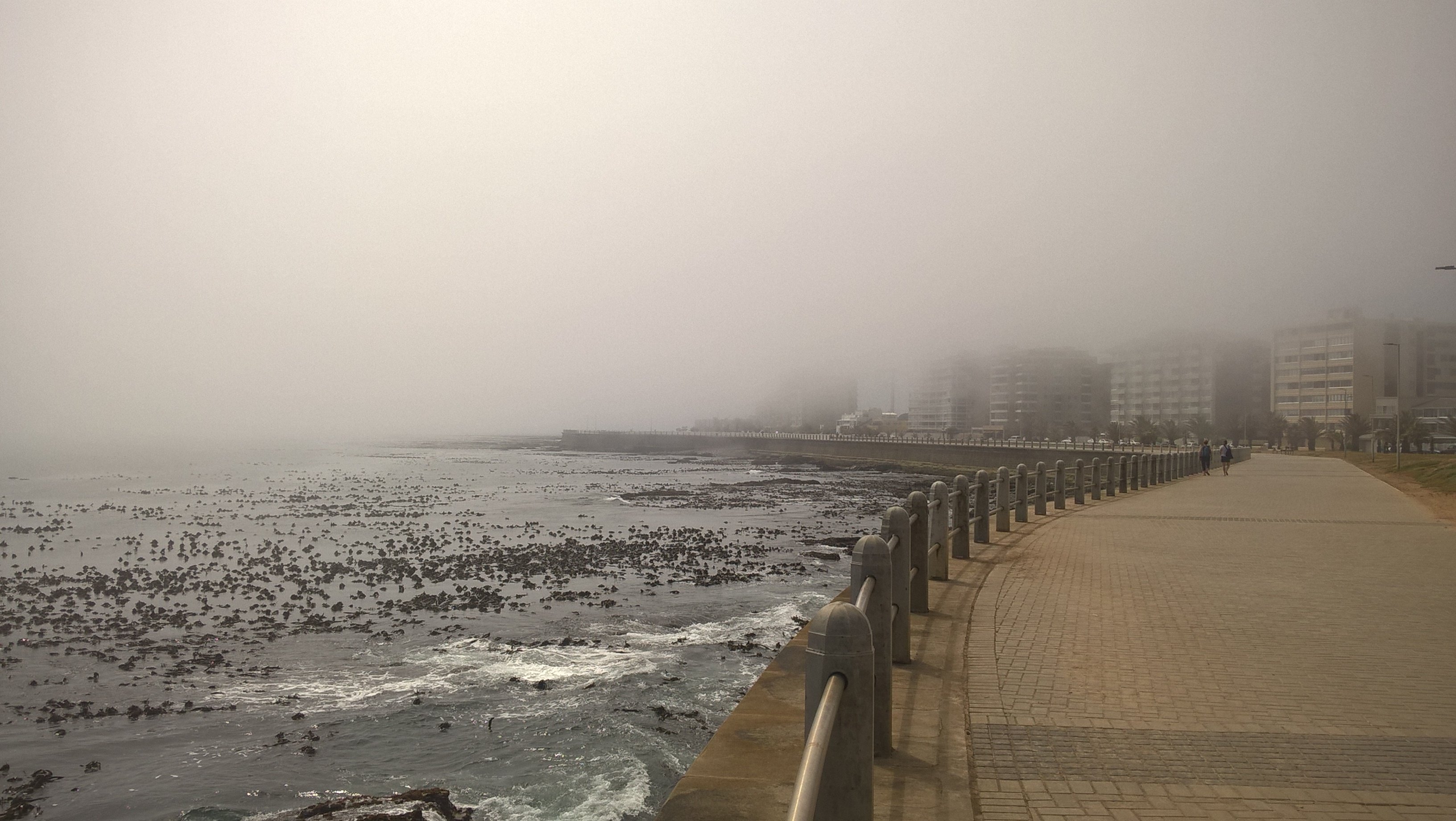
When I set out from our ‘eyrie’ on the hill about Green Point, I could see a huge fog bank approaching the shore below. By the time I reached the Promenade along Beach Road, some 25 minutes later, the fog was approaching and the temperature had dropped from hot to cool, only the closest buildings were visible, and the little of the ocean that one could see was eerie calm. And the fog horn was regularly booming.
With the usually calm water, the kelp forests can be clearly seen
Now I grew up on the north coast of Ireland, where sea fog was not unusual, and in those days waking to the fog horn moaning during the night, was nothing unusual. But it never occurred to me to find out out what made that noise. I assumed that it came from something at the coastguard station on Ramore Head. So now was my opportunity to find the source.
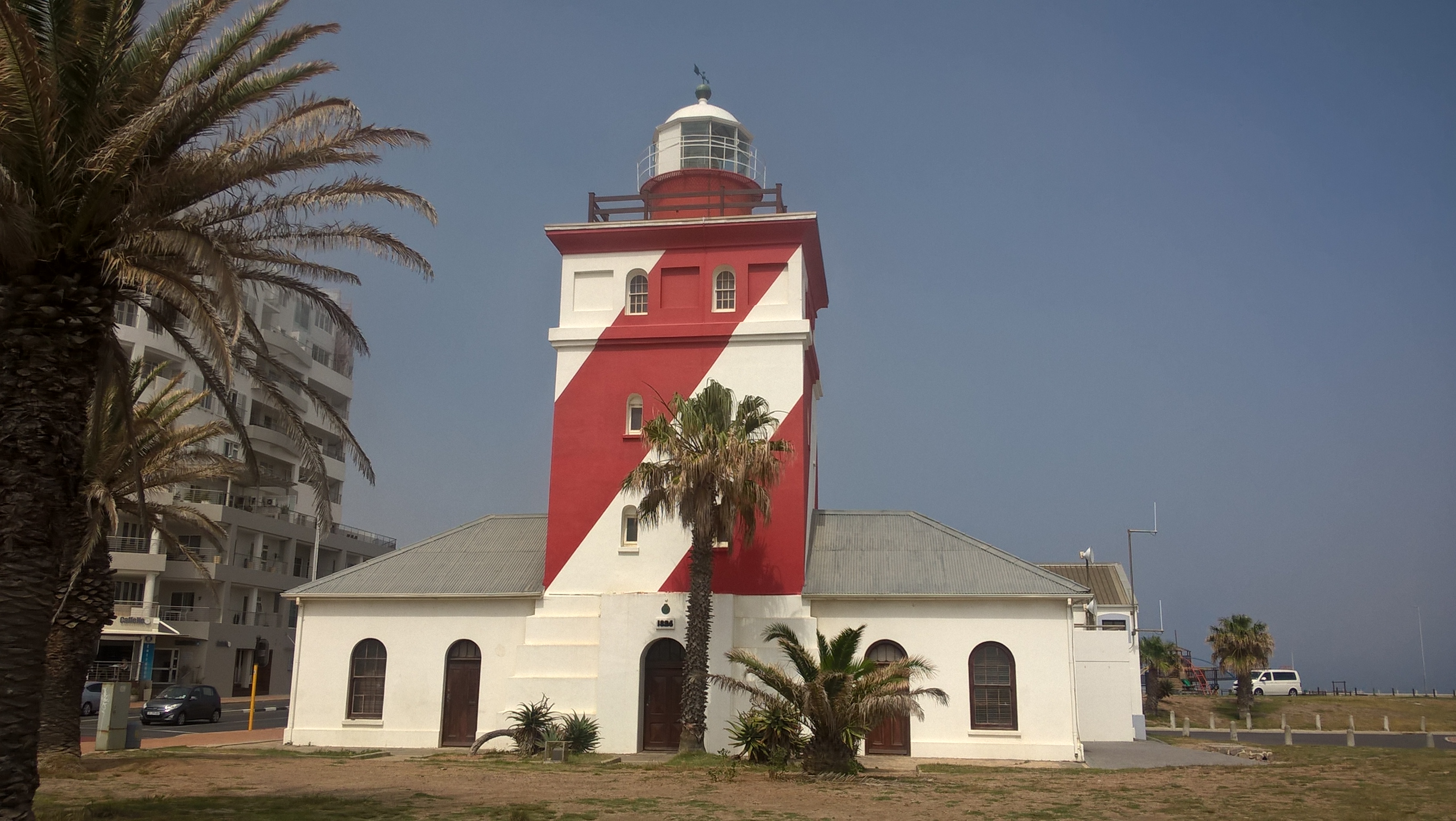
I assumed that it came from the Green Point lighthouse, about a kilometer away, but as I got closer, it was obviously not from the lighthouse, but from something by the water.
Green Point lighthouse on a clearer day
And there it was, an insignificant object on a pole, rusting and badly needing a repaint job. I must have passed it a hundred or more times and never noticed it.
The fog horn
Just above the fog horn is a car park, and I saw a car arrive close to the horn. Just as an elderly woman got out of her car and stumbled down the slope to the promenade, the horn boomed and the poor dear nearly fell over.
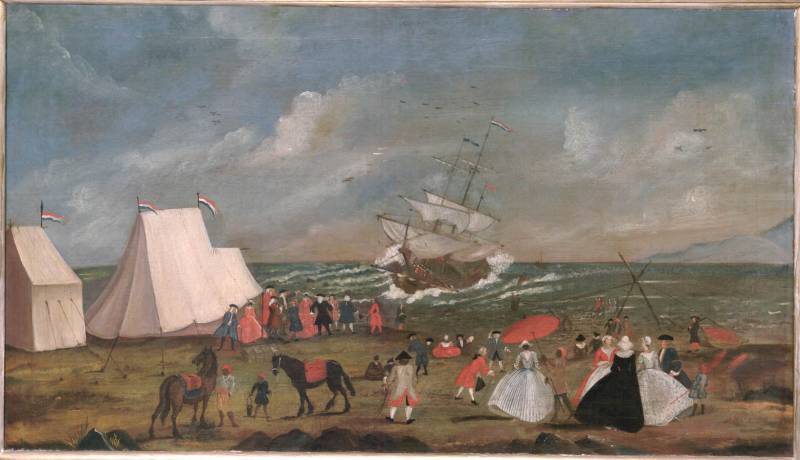
There have reputedly been more that 450 shipwrecks along the shores of Table Bay, most resulting from inclement weather, from the gales that lash the shore in winter. In the case of De Visch in 4 May 1740, it was the result of a navigational error. During the night, mistaking the light at Three Anchor Bay beside the current lighthouse for that of Robben Island, the ship was driven onto the rocks. Thanks to a cable from ship to shore, all but two of the crew were saved.
One of the witnesses was Jürgen Leeuwenberg who later painted the scene of the disaster. The painting hangs in the National Library of South Africa.
No two days are the same along the Green Point promenade…
I well remember Saturday 16 September 1961, when hurricane Debbie hit the north coast of Ireland. I was 14 at the time. The previous day there were warnings on the radio of a major storm approaching, and as a precaution my father and Bertie Law filled bags with sand, placing them of the roof of our house, and roping them together. The next afternoon the storm struck.
A peak gust of 183 km/h was recorded at nearby Malin Head. Seven boats were sunk in local harbours, several caravans were blown over the coastal cliffs, and I saw two of my father’s hen houses rolling down the hill from the top field, complete with their occupants. No storm in living memory came close in ferocity.
And then the torrential rain started to fall; and it fell for hours on end. The road from Portrush to Coleraine was cut in several places with knee-deep flooding and the main drain under the railway embankment to the sea in Portrush was blocked with debris, causing deep flooding in the adjacent low-lying area.
It was a never-to-be-forgotten experience for those of us who witnessed it.
The storm that hit Cape Town on Wednesday 07 June 2017 was also well anticipated. The previous day I had an appointment with my immigration consultant, and she told me that the office would close the next day, in advance of the storm. And what a storm it was, as witnessed in the accompanying two videos, recorded nearby at Three Anchors Bay.
The next day I walked along the promenade and there was grey sand, broken kelp and small rocks and shells everywhere. The concrete coping on much of the newly built promenade wall was either loosened or was completely torn off and tossed into the park, as witness to the power of the waves that had struck it.
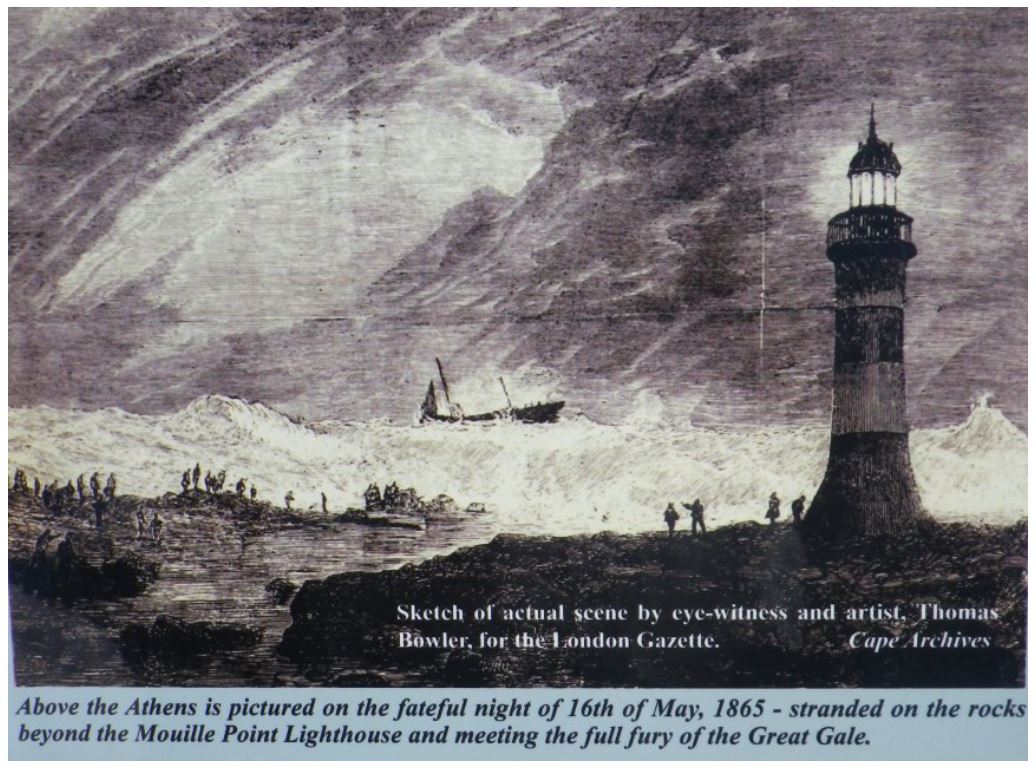
But the Great Storm that hit Cape Town on May 16 1865 was in another category. For eighteen hours the storm raged and 17 ocean-going vessels, 30 cutters and uncounted small boats were either wrecked or stranded, with the loss of 60 lives.
The last to go was the Royal Mail Ship, Athens, which was swept onto the rocks near the lighthouse. Although those on shore could hear the cries of the men, there was nothing that they could do to help them. The crew of 29 perished.
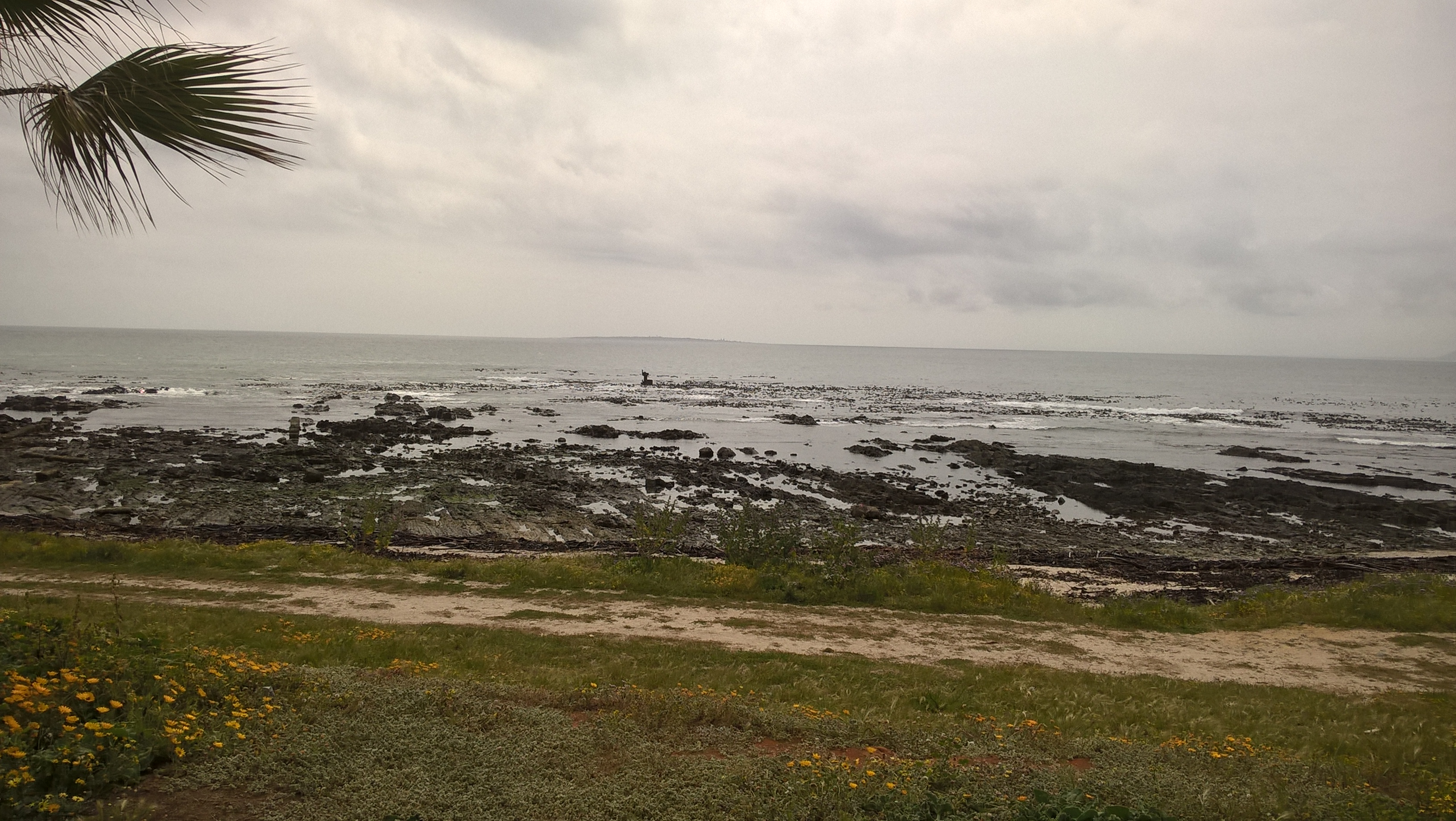
Today all that of the Athens that survives is the engine block. From the shore it is not clear what one is looking at, but with a better camera all is revealed.
Despite the US government being in denial and withdrawing from the Paris climate change agreement, most scientists agree that our planet is going through a period of rapid warming, and that storms, such as those I mentioned above, will become much more common in future years.
I first noticed the Cape Weaver when I stopped on the bridge that crosses the channel that connects two of the lakes in Green Point Park, in the ocean suburb of Cape Town. The little yellow-breasted bird was busily constructing a nest, tying together some stout reeds, about a meter above the water’s edge, using strips of grass. By the next day, the nest appeared to be almost complete and he had started on a second. As the days passed he continued to build more and more nests. In the end there were at least ten that I could see. But where were the females?
And then one day two females appeared while I was watching. The little male predictably became hyper-excited: flapping, wiggling, screeching. But to no avail. The females checked out his attempts at building nests, turned their backs on him and flew off. My little male disappeared into each nest that they had rejected, to see what it was that they did not like. He was like a randy real-estate agent who had tried to seduce his prospective female tenants and pathetically failed.
My dejected little Weaver bird
A passing local lady explained to me that the little male was fortunate: normally females which do not like a nest can rip it apart, before heading off to find a better suitor. She told me that the entrance to the nest is on the underside and if the female accepts the male, he will construct a tunnel, while she lines the nest, and then they mate.
And then came a storm, with strong winds, and the nests were rather greatly shaken, some of the reeds being bent down almost to water level. Perhaps the females knew what they were doing in refusing my little male.
Some time later, I noticed weaver nests at the other end of the pond. And there was a little yellow breasted weaver, and a female disappearing into and emerging out of a nest. Was it my little male bird? I like to think that it was.
But he can’t control his urge to build more nests and attract more females.
A weaver nest ‘work in progress’
In the meantime, I look forward to watching the next weaver generation emerge…